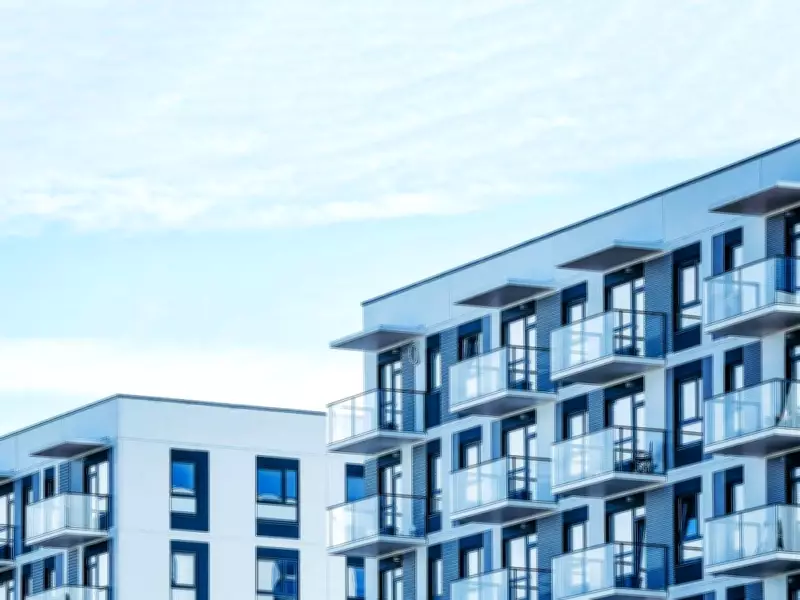
The City of Vancouver is implementing a significant new requirement for residential condominiums, mandating annual energy consumption reporting that will affect buildings of all sizes, including smaller developments with just 50 to 60 units. This policy, which also applies to the Capital Regional District encompassing Victoria and Saanich, represents a major shift in municipal environmental regulation aimed at creating healthier, cleaner, and more energy-efficient communities across British Columbia.
Phased Implementation Across Property Types
Contrary to initial assumptions that only commercial properties or high-rise buildings would be affected, the reporting mandate extends to all residential strata properties. The implementation follows a carefully structured three-year phased approach, with different property sizes coming under compliance at varying intervals. The initial year presents the most substantial administrative burden as property managers must establish reporting systems and gather comprehensive consumption data from their buildings.
Budgetary Concerns for Smaller Developments
For smaller condominium projects like the 52-unit Kitsilano development referenced in resident inquiries, the new requirement represents an additional financial obligation during an already challenging economic period. Property managers must allocate resources for hiring specialists to collect energy data and complete the reporting documentation, adding to existing annual expenses that include electrical planning reports and depreciation reports.

"As a 52-unit Kitsilano project, it's just an additional cost we assume to hire someone to gather the information and calculate the reporting requirements," explained one concerned resident in correspondence with the Condominium Home Owners Association. "In addition to this year's deadline for electrical planning reports and depreciation reports, it's overwhelming on our annual budget."
Strategic Planning for Energy Infrastructure
The energy reporting initiative serves dual purposes for municipal governments and utility providers throughout the province. First, it provides regional authorities with detailed consumption rates essential for future infrastructure planning. Second, it identifies specific zones with limited energy capacity where new developments might strain existing resources.
Tony Gioventu, executive director of the Condominium Home Owners Association, emphasized the broader context: "Our local governments across the province and utility providers are faced with limited energy and limited distribution. The reporting provides the regions with consumption rates for future planning and identifies zones with limited capacity where new developments are planned."
Support Services and Educational Resources
Recognizing the implementation challenges, several organizations have developed support mechanisms to assist property managers and strata corporations. The Condominium Home Owners Association is hosting specialized webinars throughout February focusing on reporting requirements, electric planning reports, and depreciation reports. These educational sessions will be recorded and made available for ongoing reference.
Additionally, the BC Retro Fit Accelerator offers a complimentary coaching program specifically designed for strata corporations interested in analyzing their energy consumption patterns, developing management strategies, and planning future upgrades. This includes support for depreciation renewals and conversions from gas to electric systems.
Addressing Growing Energy Demands
The reporting mandate arrives at a critical juncture as building residents increasingly request permission for energy-intensive upgrades, including heat pump installations and electric vehicle charging stations. While most communities currently possess sufficient capacity to accommodate these evolving demands, scattered pockets throughout metropolitan districts and rural regions face energy limitations that could constrain future development.
"Owners are frequently requesting permission to install heat pumps and EV charging," noted Gioventu. "While most communities have sufficient capacity to accommodate the new demands, there are scattered pockets of limited energy available within the metro districts and rural regions of the province."

Following the initial implementation year, the reporting process is expected to become more streamlined, requiring only annual updates to consumption data rather than the comprehensive system establishment needed in the first phase. This ongoing monitoring will provide municipalities with the continuous data stream necessary to make informed decisions about energy infrastructure investments and sustainable community development.