A new report reveals that female farm workers in British Columbia's Fraser Valley, particularly South Asian women, continue to face unsafe working conditions, low wages, and a lack of respect, nearly two decades after a tragic van crash killed three workers.
Personal story highlights ongoing risks
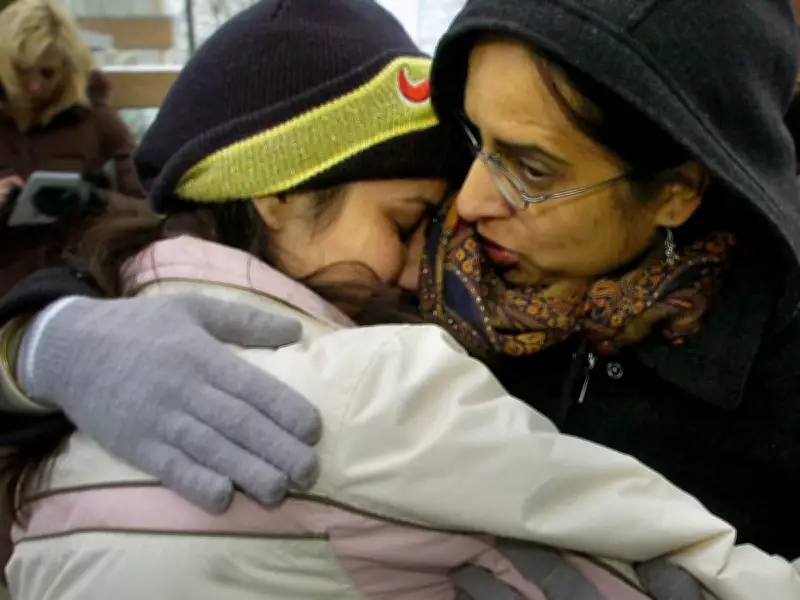
Avneet Sidhu was just seven years old when her mother, Sarbjit Kaur Sidhu, died in a 2007 van crash while en route to her farm job near Abbotsford. The overloaded van, driven by an unlicensed contractor, had 17 people in a 15-passenger vehicle with only two seatbelts, wooden benches, and deflated tires. Today, Sidhu works as a community advocate at a South Asian legal clinic, pushing for better protections.
“It’s still precarious labour,” Sidhu said. “What we would want people to realize is that farm workers are human beings. They have families to go back to every single day.”

Report findings: Denied basic protections
The report, released Wednesday by the University of Victoria and the B.C. Society for Policy Solutions, documents the experiences of 20 South Asian female farm workers in the Fraser Valley. It concludes that these workers are routinely denied basic workplace safety protections, such as access to clean washrooms and drinking water.
Co-author Anelyse Weiler, an associate sociology professor at UVic, expressed shock at the findings. “Despite all the dizzying technological changes our world has seen in recent years, South Asian farm-worker women in B.C. are still growing our food under archaic labour conditions,” she said. “Canadians want a strong local food economy, but that doesn’t need to come at the expense of workers’ dignity.”
Workers in berry and vegetable harvesting, canning, packing, and ornamental nurseries face high injury risks and low pay. “Most earned less than $25,000 annually,” the report states.
Recommendations and government response
The report offers 11 recommendations aimed primarily at the provincial government and WorkSafeBC, calling for changes in labour policy, wage structures, and workplace inspections.
In an email Tuesday, the Labour Ministry said it gathers feedback from the agricultural sector on how policy and programs can be improved, and it will review the report after its release.
WorkSafeBC reported conducting 8,471 agricultural inspections between 2021 and 2025, with no fixed schedule but proactive checks during busy seasons, follow-ups, and complaint-driven inspections.
Progress since 2007 crash
While some safety improvements have been made, such as replacing dangerous vans with minibuses or approved vehicles, Sidhu notes that more is needed. “We nearly never see those types of vans transporting farm workers anymore,” she said, but systemic issues persist.
The report underscores that many workers are new to Canada and may not speak English, compounding their vulnerability. Advocates urge continued efforts to ensure dignity and safety for those who grow the nation's food.