South Saskatchewan Wind Farm Initiative Hits Regulatory Snag
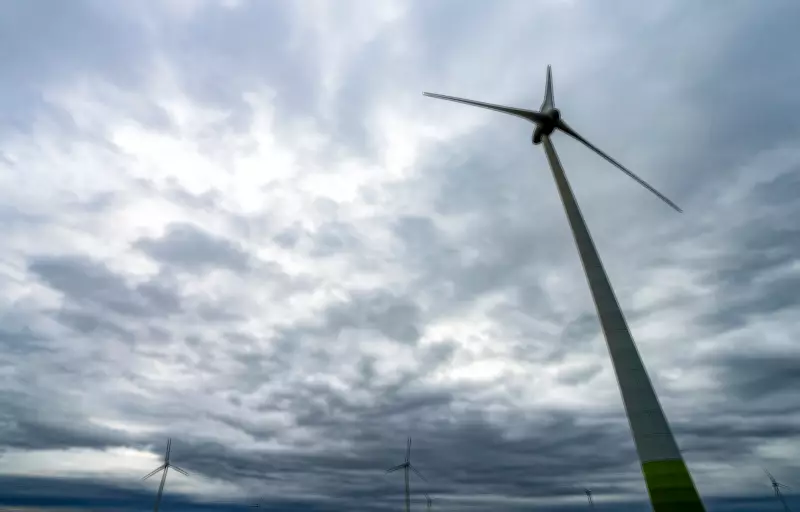
A significant renewable energy project planned for the South Saskatchewan region has encountered an unexpected delay, according to recent statements from the local Rural Municipality (RM) council. The proposed windmill development, which aims to contribute to the province's clean energy targets, has been temporarily stalled due to what officials are describing as an "incomplete" application submission.
Council Cites Documentation Deficiencies
The RM council, responsible for reviewing and approving such developments within their jurisdiction, has indicated that the application materials submitted for the wind turbine project lacked several crucial components necessary for proper evaluation. While specific details about the missing elements were not fully disclosed in the initial announcement, council representatives emphasized that comprehensive documentation is essential for assessing environmental impacts, community effects, and long-term sustainability considerations.
This development delay comes at a time when Saskatchewan is actively pursuing expanded renewable energy capacity as part of broader climate change mitigation strategies. Wind energy projects have been identified as key components in transitioning away from fossil fuel dependence, particularly in regions with favorable wind conditions like the South Saskatchewan area.

Broader Implications for Renewable Energy Development
The postponement highlights the complex regulatory landscape facing green energy initiatives across Canada. While there is growing political and public support for renewable infrastructure, practical implementation often encounters bureaucratic hurdles that can slow progress. This particular case demonstrates how even well-intentioned projects must navigate meticulous approval processes designed to ensure proper planning and community consultation.
Local residents and environmental advocates have been monitoring the proposed wind farm with interest, recognizing its potential to generate clean electricity while creating economic opportunities in the region. The delay, while frustrating for proponents, underscores the importance of thorough preparation when submitting development applications for large-scale infrastructure projects.
Next Steps and Project Timeline
Project developers are expected to address the identified deficiencies in their application and resubmit materials to the RM council for reconsideration. The timeline for this revision process remains uncertain, but stakeholders anticipate that once complete documentation is provided, the review will proceed through normal channels.
This situation serves as a reminder that the transition to renewable energy involves not just technological and financial considerations, but also careful attention to regulatory requirements and community engagement processes. As Saskatchewan continues to develop its wind energy potential, this case may inform how future projects approach the application phase to avoid similar delays.