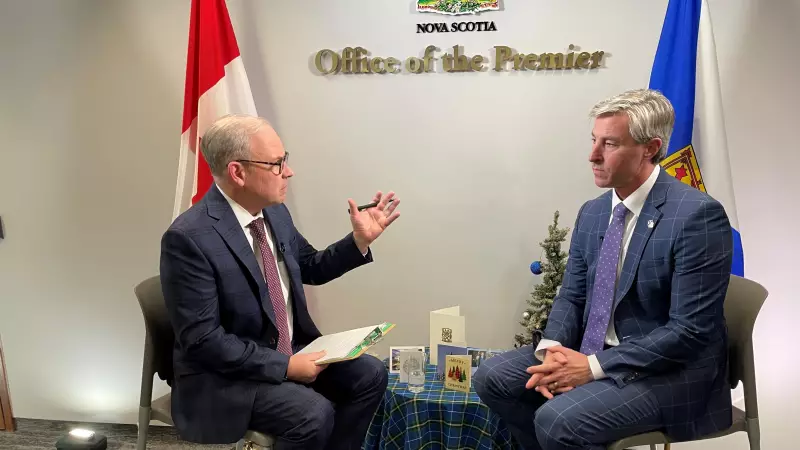
Nova Scotia Premier Tim Houston has publicly expressed his hope for a comprehensive feasibility study to be conducted on the proposed Wind West project. The premier's comments came during a recent interview, highlighting a significant step in evaluating the potential of this major renewable energy initiative for the province.
Premier's Push for Renewable Energy Assessment
In a detailed conversation with CTV News Atlantic's Todd Battis, Premier Tim Houston outlined his vision for the project's future. The premier is actively advocating for a formal feasibility study, which would serve as a critical tool to assess the project's technical, economic, and environmental viability. This move signals a serious commitment from the provincial government to explore large-scale wind energy development as part of Nova Scotia's broader strategy to transition to cleaner power sources.
Understanding the Wind West Project
While specific details of the Wind West proposal were not fully elaborated in the interview, the project's name suggests a significant offshore or coastal wind energy development situated in the province's western regions. Such projects are typically complex, involving substantial investment and long-term planning. A feasibility study is the essential first phase that would examine key factors including:

- Wind resource potential and energy output estimates.
- Grid connection and infrastructure requirements.
- Environmental impact assessments, particularly on marine ecosystems.
- Economic benefits, job creation, and cost analysis.
- Community engagement and stakeholder consultation processes.
The call for this study, made in late December 2025, positions the project as a potential cornerstone for the province's future energy portfolio.
Context and Implications for Nova Scotia's Energy Future
Premier Houston's push for the Wind West feasibility study aligns with Nova Scotia's legislated goals to reduce greenhouse gas emissions and phase out coal-fired electricity. The province has been actively seeking to bolster its renewable energy generation from sources like wind, solar, and tidal power. A successful large-scale wind project could dramatically increase clean energy capacity, enhance energy security, and create new economic opportunities in manufacturing, construction, and maintenance.
However, major renewable projects also face challenges, including potential local opposition, environmental concerns, and high upfront capital costs. The proposed feasibility study is designed to objectively address these issues, providing the data needed for informed decision-making by the government, industry partners, and the public. The premier's hope for the study indicates that the Wind West project is being considered as a serious contender to help shape a more sustainable and independent energy future for Nova Scotia.