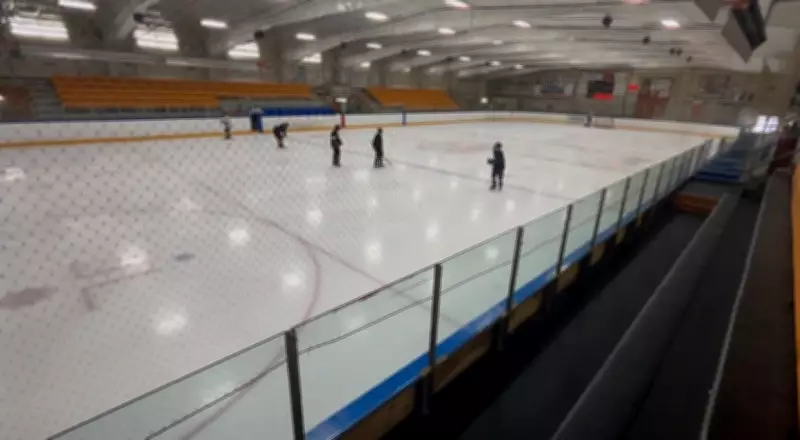
Nova Scotia Pioneers Green Energy in Community Sports with Solar-Powered Arena
In a landmark development for sustainable infrastructure in Canadian sports, Nova Scotia has unveiled the nation's first solar-powered community hockey arena. This pioneering project represents a significant step forward in integrating renewable energy solutions into public recreational facilities across the country.
Substantial Investment in Sustainable Sports Infrastructure
The innovative arena has received a substantial investment of $1.3 million in funding to support its transformation into a solar-powered facility. This financial backing demonstrates a growing commitment to environmentally conscious development within community sports infrastructure, setting a new standard for how recreational facilities can operate with reduced carbon footprints.
How Solar Technology Powers the Ice
The solar installation at the community arena utilizes advanced photovoltaic technology to generate clean electricity that powers essential operations. This includes:

- Energy for ice-making equipment and refrigeration systems
- Lighting throughout the facility
- Heating for spectator areas and administrative spaces
- Power for Zamboni maintenance and other operational needs
By harnessing solar energy, the arena significantly reduces its reliance on traditional power sources, potentially lowering operational costs while contributing to provincial and federal climate goals.
Broader Implications for Canadian Communities
This project serves as a model for other municipalities considering similar green initiatives. Community arenas represent substantial energy consumers across Canada, particularly in colder regions where ice maintenance requires significant power throughout extended hockey seasons. The Nova Scotia facility demonstrates that renewable energy solutions can be successfully integrated into these essential community hubs.
The solar-powered arena aligns with broader environmental initiatives while maintaining the traditional role of hockey rinks as community gathering places. It showcases how sustainable technology can enhance rather than compromise the functionality of beloved public facilities.
Future Prospects for Green Sports Infrastructure
As Canada continues to pursue ambitious climate targets, projects like Nova Scotia's solar-powered hockey rink provide tangible examples of how renewable energy can transform everyday infrastructure. This initiative may inspire similar developments across the country, potentially leading to:
- Increased adoption of solar technology in recreational facilities
- Reduced operating costs for community arenas
- Enhanced environmental education opportunities for youth sports participants
- Stronger alignment between community values and infrastructure development
The successful implementation of this solar-powered arena demonstrates that environmental sustainability and community sports can coexist harmoniously, offering a promising template for future developments across Canada's recreational landscape.