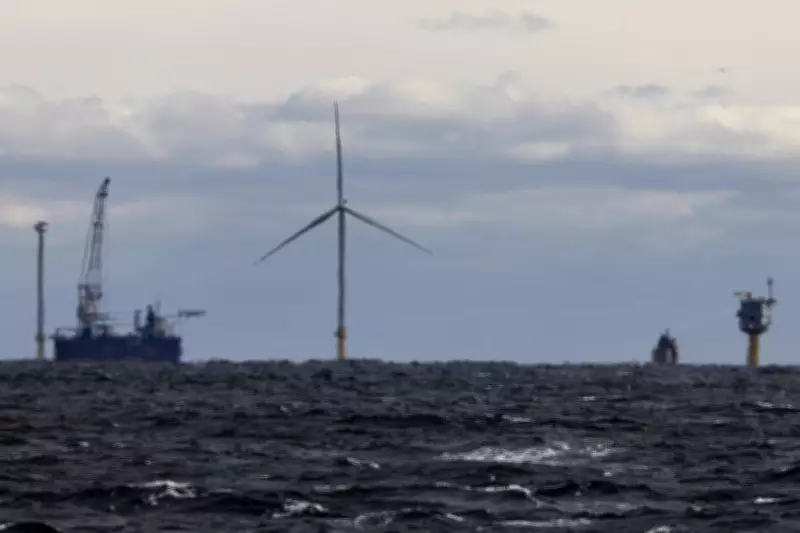
Nova Scotia has taken a significant step forward in its renewable energy ambitions by announcing a detailed financial framework for its emerging offshore wind industry. This strategic move is designed to attract substantial investment and accelerate the development of wind farms off the province's coast, positioning Nova Scotia as a leader in clean energy production.
Key Components of the Financial Framework
The newly unveiled framework outlines a series of financial incentives and regulatory guidelines aimed at fostering growth in the offshore wind sector. It includes provisions for government-backed loans, tax credits, and streamlined permitting processes to reduce barriers for developers. The plan also emphasizes collaboration with Indigenous communities and local stakeholders to ensure equitable benefits and environmental stewardship.
Economic and Environmental Impacts
By establishing this framework, Nova Scotia aims to create thousands of jobs in construction, maintenance, and related industries, boosting the provincial economy. Offshore wind projects are expected to contribute significantly to Canada's renewable energy targets, reducing reliance on fossil fuels and lowering greenhouse gas emissions. The initiative aligns with global trends toward sustainable energy solutions and could serve as a model for other regions exploring similar opportunities.

Challenges and Future Prospects
Despite the optimism, challenges remain, including high upfront costs, technological hurdles, and potential environmental concerns such as impacts on marine ecosystems. However, the financial framework is designed to mitigate these risks through careful planning and ongoing monitoring. Looking ahead, Nova Scotia plans to launch pilot projects in the coming years, with full-scale operations anticipated by the early 2030s, marking a transformative era for the province's energy landscape.