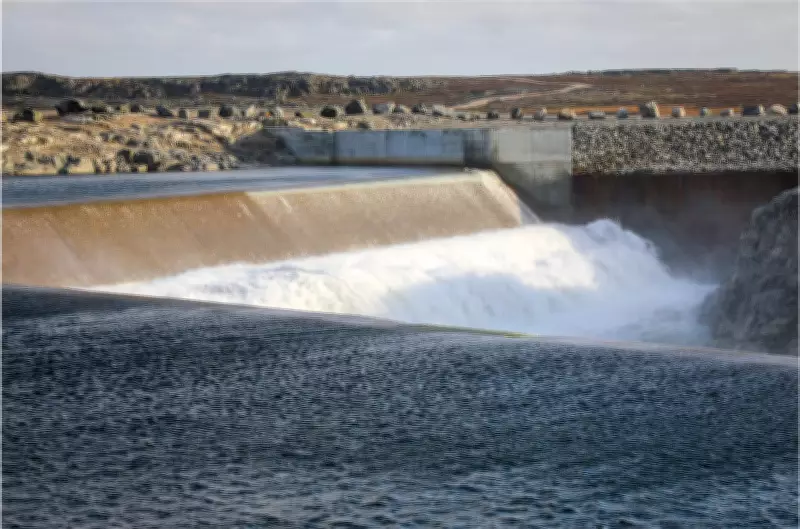
Canada's largest off-grid Inuit-owned hydro project, Innavik Hydro, is now operational, significantly reducing diesel consumption in an Arctic community. The 7.5-megawatt facility, located on the Innuksuak River, replaces most of the diesel-generated electricity that previously powered the region.
Impact on the Community
This project marks a major step toward energy independence and sustainability for the Inuit community. By harnessing the river's hydropower, the facility cuts greenhouse gas emissions and lowers the cost of electricity, which was previously dependent on expensive and polluting diesel fuel transported by air or sea.
Technical Details
Innavik Hydro is a run-of-river project, meaning it does not require a large reservoir. It uses the natural flow of the Innuksuak River to generate electricity, minimizing environmental disruption. The facility is designed to operate reliably in harsh Arctic conditions, providing clean power year-round.

Broader Significance
This project serves as a model for other remote communities seeking to transition away from diesel. It demonstrates the viability of Indigenous-led renewable energy initiatives in Canada's North. The success of Innavik Hydro could inspire similar projects in other off-grid communities, reducing their carbon footprint and enhancing local energy security.
The project was developed in partnership with Inuit organizations and supported by federal and provincial funding. It aligns with Canada's goals to reduce diesel reliance in remote communities and combat climate change.