Gulf Investors Poised to Sustain Africa Renewable Energy Investments Despite Iran War Disruptions
In a significant development for global energy markets, Gulf investors are projected to maintain their funding for renewable energy projects across Africa, even as the ongoing war in Iran creates widespread economic and logistical challenges. This resilience underscores the strategic importance of Africa's renewable sector, which offers substantial long-term growth opportunities and aligns with broader environmental goals.
Strategic Interests Drive Continued Investment
Experts highlight that Gulf nations, including Saudi Arabia and the United Arab Emirates, view Africa as a critical frontier for renewable energy expansion. Despite the Iran conflict disrupting shipping routes and increasing geopolitical tensions, these investors are motivated by Africa's abundant solar and wind resources, coupled with rising energy demands on the continent. The war has led to fluctuations in global energy prices and supply chains, but Gulf investors appear committed to diversifying their portfolios beyond fossil fuels.
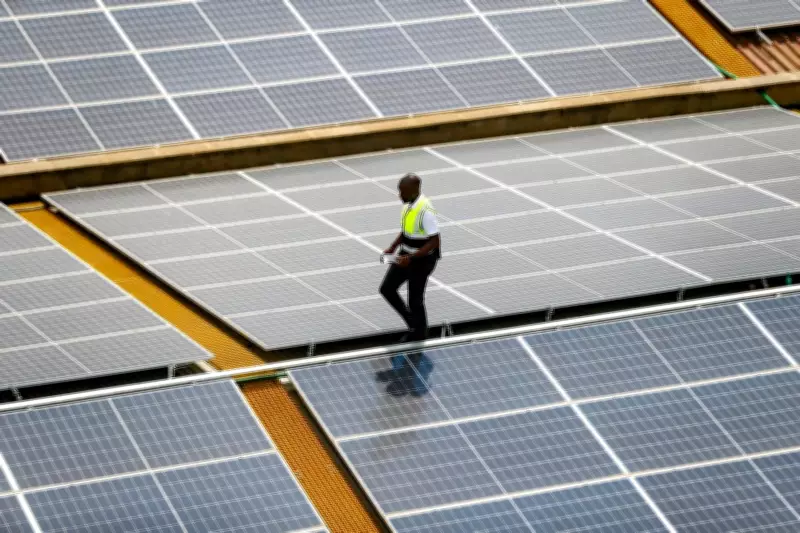
Mark Munyua, a technician at CP Solar in Nairobi, Kenya, exemplifies the on-ground impact of such investments. In September 2023, he was photographed examining solar panels on a company rooftop, showcasing the tangible progress in renewable infrastructure. This scene reflects the broader trend of Gulf capital fueling solar projects that enhance energy access and support sustainable development in African nations.

Impact of the Iran War on Global Energy Dynamics
The Iran war has introduced complexities into the global energy landscape, often described as a form of "energy warfare" due to its effects on oil and gas markets. However, renewable energy investments in Africa are seen as less vulnerable to these disruptions compared to traditional energy sectors. Gulf investors are leveraging this stability to secure footholds in markets like Kenya, where projects contribute to job creation and technological advancement.
Analysts note that while the conflict may cause short-term delays or increased costs, the fundamental drivers for renewable energy in Africa remain strong. These include international climate commitments, decreasing technology costs, and supportive government policies. As a result, funding from Gulf sources is expected to flow steadily, with a focus on large-scale solar farms and wind installations that can deliver reliable power to growing populations.
Future Outlook and Regional Implications
Looking ahead, the persistence of Gulf investment could accelerate Africa's transition to cleaner energy sources, reducing dependence on imported fuels and mitigating environmental impacts. This trend also positions Gulf nations as key players in the global renewable energy arena, balancing their traditional oil-based economies with green initiatives.
In summary, despite the turmoil caused by the Iran war, Gulf investors are likely to keep channeling funds into Africa's renewable energy sector. Their commitment highlights a strategic pivot towards sustainable development, offering a beacon of stability in an otherwise volatile geopolitical climate. As projects like those in Kenya demonstrate, this investment not only powers homes and businesses but also fosters economic resilience across the continent.