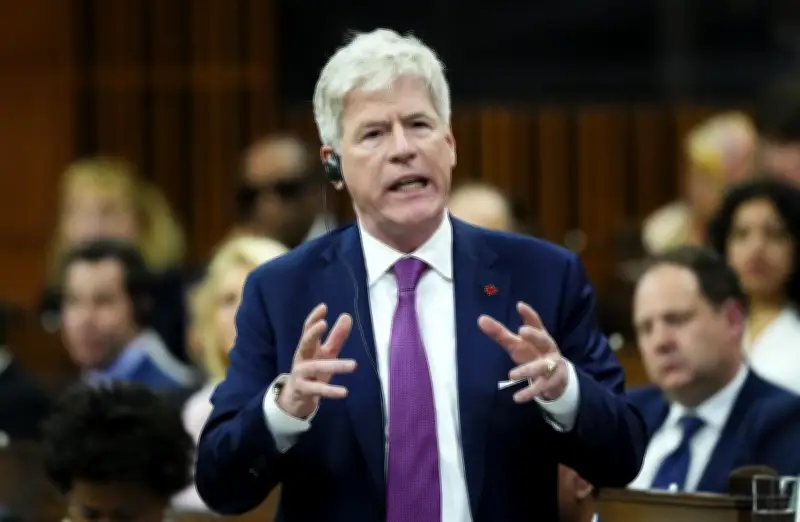
Canada's Minister of Energy and Natural Resources, Tim Hodgson, stated on Tuesday that the crisis facing the Canadian forestry sector extends far beyond the tariffs imposed by former U.S. President Donald Trump. Speaking during question period in the House of Commons, Hodgson emphasized that the industry's struggles are rooted in long-standing structural issues, including declining demand for newsprint, increased competition from other countries, and the need for sustainable forest management practices.
Structural Challenges Beyond Tariffs
Hodgson noted that while the Trump-era tariffs on softwood lumber have exacerbated the situation, they are not the sole cause of the sector's difficulties. He pointed to the closure of several mills across Canada and the loss of thousands of jobs as evidence of a deeper crisis. The minister called for a comprehensive strategy that includes innovation in wood products, expansion into new markets, and support for affected workers and communities.
Government Response
The federal government has announced measures to assist the forestry industry, including funding for research into value-added products and efforts to diversify export markets. Hodgson also highlighted ongoing negotiations with the United States to resolve the softwood lumber dispute, but cautioned that a quick fix is unlikely.

“We are working tirelessly to support the forestry sector, but we must be realistic about the challenges ahead,” Hodgson said. “The crisis is not just about tariffs; it is about the future of an industry that has been a cornerstone of the Canadian economy for generations.”
Industry Reactions
Industry groups have welcomed the minister's acknowledgment of the broader issues. The Forest Products Association of Canada noted that the sector needs a coordinated effort from all levels of government to remain competitive. Meanwhile, opposition critics argued that the government has been slow to act and that more immediate relief is needed for affected workers.
As the debate continues, the forestry sector remains under pressure, with many communities dependent on the industry facing an uncertain future. The minister's comments signal a recognition that addressing the crisis will require more than just resolving trade disputes with the United States.