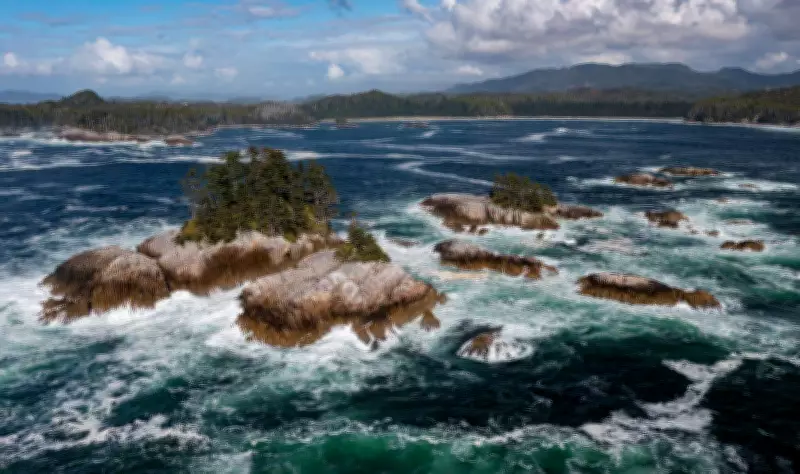
Canada has established a vast marine conservation area reserve on British Columbia's central coast, covering an expanse larger than Prince Edward Island. The Mia-yaltwa Halidzogm hoon national marine conservation area reserve stretches from Gil Island in the north to just south of Calvert Island, protecting critical marine habitats and biodiversity.
Scope and Significance
The newly designated reserve is part of Canada's commitment to conserving 30% of its land and waters by 2030. It safeguards a diverse range of marine life, including whales, salmon, and seabirds, while supporting Indigenous stewardship and sustainable tourism. The area is culturally significant to local First Nations, who have stewarded these waters for millennia.
Environmental Impact
Environmental groups praised the move as a major step toward ocean protection. The reserve will prohibit industrial activities like oil and gas exploration, mining, and bottom trawling, allowing ecosystems to recover. Scientists highlight the region's importance as a climate refuge for species adapting to warming waters.

Collaborative Management
The reserve will be co-managed with Indigenous communities, incorporating traditional knowledge into conservation strategies. This model aims to balance ecological preservation with economic opportunities for coastal communities, such as eco-tourism and sustainable fisheries.
Reactions
Federal officials emphasized the reserve's role in fighting biodiversity loss and climate change. Indigenous leaders welcomed the recognition of their territorial rights and responsibilities. Critics noted the need for robust enforcement to prevent illegal fishing and shipping traffic.