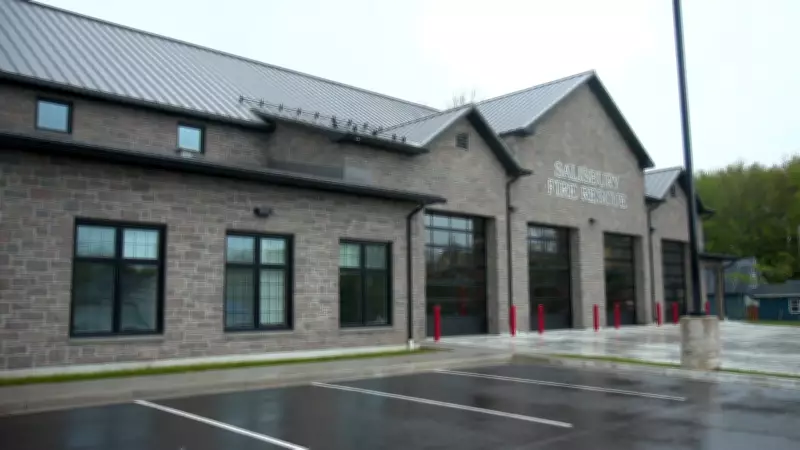
The net-zero ready fire station in Salisbury, New Brunswick, has earned national recognition for its innovative energy-efficient design. The facility, which serves the local community, was designed to produce as much energy as it consumes, making it a model for sustainable infrastructure. The award highlights the town's commitment to reducing carbon emissions and promoting green building practices.
National Recognition for Sustainable Design
The fire station was recognized by a national organization for its net-zero ready status, meaning it is equipped with energy-efficient systems and renewable energy sources that can offset its energy use. This achievement places Salisbury at the forefront of sustainable municipal buildings in Canada. The project involved collaboration with architects, engineers, and local officials to ensure the building met rigorous environmental standards.
Features of the Net-Zero Ready Fire Station
- High-performance insulation and airtight construction
- Solar panels for on-site renewable energy generation
- Energy-efficient heating, ventilation, and air conditioning systems
- LED lighting and smart controls to minimize electricity use
The station not only reduces operational costs but also serves as a community asset for emergency services. Firefighters benefit from a healthier indoor environment, while taxpayers save on long-term energy expenses.

Impact on the Community
Salisbury's fire station is part of a broader trend toward net-zero buildings in New Brunswick. The award underscores the province's potential to lead in sustainable construction. Local officials hope this recognition will inspire other municipalities to adopt similar green technologies. The station also provides educational opportunities for residents to learn about renewable energy and energy conservation.
Future Plans
The town plans to continue monitoring the station's energy performance and share data with other communities. Future upgrades may include battery storage to enhance energy resilience. This project aligns with New Brunswick's climate goals and demonstrates how small towns can contribute to national sustainability targets.