In a significant response to the devastating wildfire seasons that have scarred its landscape, British Columbia's forestry sector has processed a staggering volume of timber salvaged from burned forests. New data reveals that B.C. mills processed more than one million cubic metres of wood chips derived from wildfire-affected trees during the 2024-25 operational year. This large-scale effort represents a crucial intersection of economic recovery, resource utilization, and forest management in the wake of natural disaster.
Turning Ecological Loss into Resource Recovery
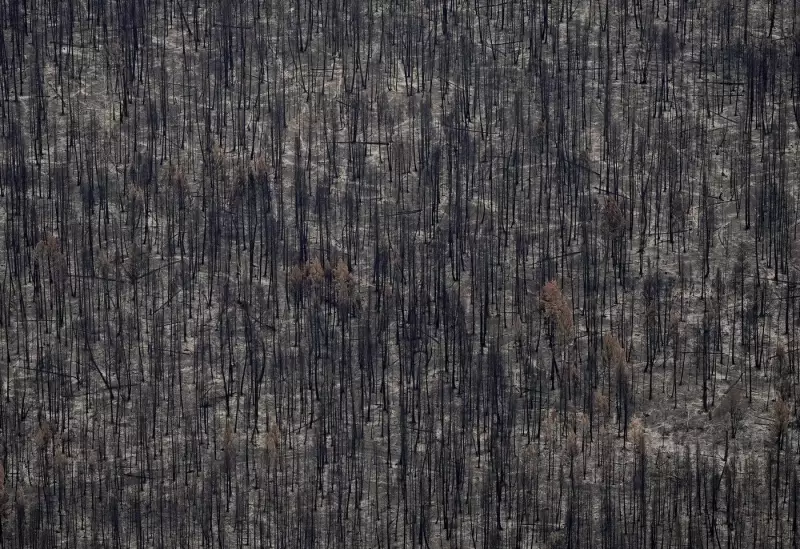
The initiative focuses on harvesting and processing timber from forests killed or damaged by wildfires, most notably from blazes like the Bush Creek East wildfire that ravaged areas near Squilax, B.C., in the summer of 2023. Instead of leaving the charred stands to decay or pose future fuel hazards, forestry companies have been systematically converting this wood into usable fibre. The primary product has been wood chips, which serve as a raw material for various industries, including pulp and paper, bioenergy, and engineered wood products.
This salvage operation is not merely an economic exercise; it is a complex component of post-fire forest management. By removing dead timber, the industry helps to reduce the volume of combustible material on the landscape, potentially mitigating the intensity of future fires in those areas. Furthermore, it allows for the recovery of economic value from a catastrophic event, supporting mill operations, forestry jobs, and local economies in regions hard-hit by fires.

The Scale and Scope of the Salvage Effort
The figure of over one million cubic metres underscores the immense scale of both the wildfire impact and the industrial response. To visualize this, one million cubic metres of wood chips would fill approximately 400 Olympic-sized swimming pools. This volume represents a critical influx of fibre for B.C.'s mills, which have faced challenges in recent years due to timber supply constraints from factors like the mountain pine beetle epidemic and conservation measures.
The processing of wildfire salvage wood involves unique logistical and technical considerations. The wood must be harvested and transported quickly before it deteriorates, and mills must adjust their processes to handle material that may be charred or have altered properties. The success in reaching this processing milestone indicates that the province's forestry infrastructure has adapted to meet this new reality of a climate-changed landscape.
Environmental Considerations and Future Implications
While the salvage program provides clear economic benefits, it operates within a careful environmental framework. Decisions on which burned areas to harvest involve assessments of ecological recovery, soil stability, and wildlife habitat. The overarching goal is to balance resource recovery with the long-term health of the forest ecosystem.
Looking ahead, the massive volume processed in 2024-25 may set a precedent for future years. As climate change increases the frequency and severity of wildfires in British Columbia, the practice of post-fire salvage logging is likely to become a more permanent and significant part of the forestry sector's mandate. This activity not only provides a temporary timber supply bridge but also contributes to provincial wildfire risk reduction strategies.
The story of the one million cubic metres is ultimately one of adaptation. It highlights how British Columbia's cornerstone industry is navigating the aftermath of environmental disaster, finding value in loss, and contributing to both community resilience and the complex task of managing forests in an era of increasing fire activity.