Environment Canada has issued a series of weather warnings for Atlantic Canada as a potent system is set to deliver a messy mix of snow, rain, and powerful winds. The agency is urging residents to prepare for potentially hazardous conditions that could impact travel and lead to localized power outages.
Widespread Warnings Across the Region
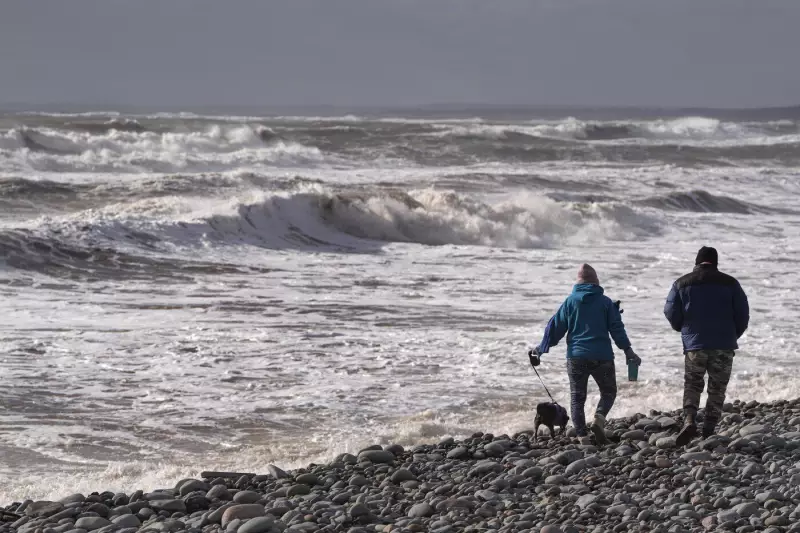
The weather alerts, which include snowfall, rainfall, and wind warnings, cover multiple areas across the Atlantic provinces. The system is expected to move through the region, bringing significant precipitation and gusty winds that could exceed 90 kilometres per hour in some coastal areas. This combination raises concerns for reduced visibility on roads and the possibility of tree damage and power disruptions.
Forecasters indicate that some inland and northern areas will see the heaviest snowfall, with accumulations potentially reaching warning criteria. Meanwhile, coastal communities are bracing for intense rainfall and the risk of localized flooding due to the heavy downpours. The timing of the precipitation, coupled with the strong winds, creates a classic nor'easter-like scenario for parts of the Maritimes.

Impacts on Travel and Safety
Authorities are advising the public to exercise caution, especially if travel is necessary. Driving conditions are expected to deteriorate rapidly as the snow and rain begin, leading to slippery roads and poor visibility. Motorists are encouraged to check the latest road conditions and consider postponing non-essential trips until the system passes.
Residents should also secure any loose outdoor items that could be tossed by the high winds. The utility companies are likely positioning crews to respond quickly to any reports of downed power lines or outages. Staying informed through official weather channels is highly recommended as the situation develops.
Staying Prepared for the Storm
With the warnings in effect as of December 02, 2025, preparedness is key. Here are some steps residents can take:
- Ensure emergency kits are stocked with essentials like water, non-perishable food, and flashlights.
- Charge electronic devices in case of a power failure.
- Have a plan for alternative heating sources if the electricity goes out, ensuring they are used safely to prevent carbon monoxide poisoning.
- Check on neighbours, especially seniors or those who may need extra assistance.
This weather event serves as a reminder of the powerful and changeable conditions that can affect Atlantic Canada, particularly as winter sets in. By heeding the warnings and taking simple precautions, residents can stay safe until the system moves out and conditions improve.