The Weather Network has released its comprehensive spring forecast for 2026, predicting what meteorologists describe as "the scenic route from winter to summer" across Canada. Following a fickle but high-impact winter influenced by La Niña and the polar vortex, the upcoming spring season is expected to continue this pattern of turbulent weather transitions.
A Winding Path to Warmer Weather
"Spring isn't just a season in Canada—it's the scenic route from winter to summer, and this year, it looks like we are in for a bit of a trek," explained Doug Gillham, senior meteorologist with The Weather Network. "Spring rarely takes us on a straight path from winter to summer and this year will be a prime example. Our journey to summer will include many detours and even some backtracking into winter. But rest assured that we will get there! For parts of Canada the long winding road could end rather suddenly with an abrupt transition into summer."
Temperature Patterns Across the Nation
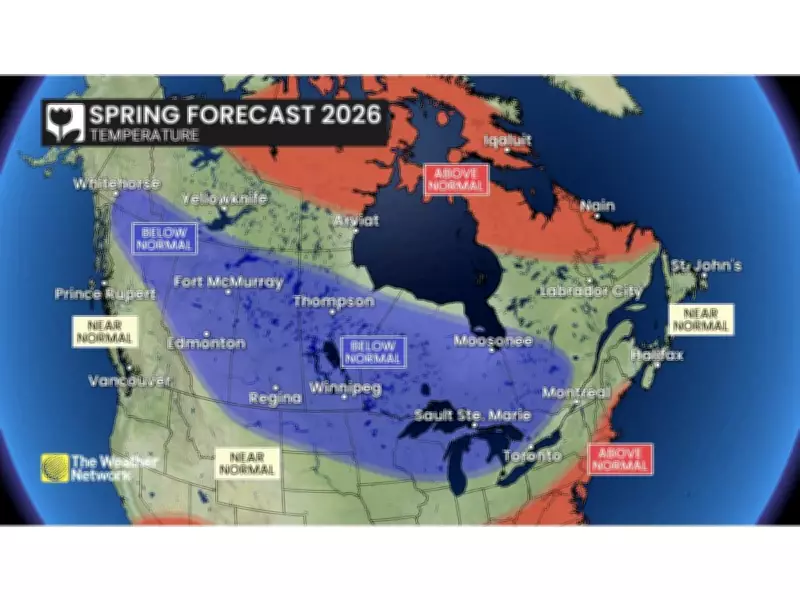
Most regions of Canada will experience near-normal or colder-than-normal temperatures during March and April, according to the forecast. However, May presents a significant wild card with the potential for a rapid transition to early summer-like conditions in at least some parts of the country. This creates an unpredictable weather pattern that could see winter-like conditions persisting well into what is traditionally considered spring.

Precipitation Expectations
Rain and snow are typically abundant during Canadian spring seasons, and 2026 is expected to follow this pattern with near-normal or above-normal precipitation totals through at least April. However, parts of western Canada could trend much drier as the season progresses toward early summer, potentially creating different challenges for various regions.
Regional Breakdown of Spring Conditions
Ontario and Quebec
Winter arrived early in Ontario and Quebec and appears reluctant to depart, with a sluggish start to spring anticipated. This extended winter pattern should benefit ski season enthusiasts while delaying the start of the growing season for agricultural interests. The region will experience occasional stretches of above-seasonal temperatures and even early summer weather, but these warm periods will lack commitment and be offset by colder weather intervals.
Above-normal precipitation totals are expected, particularly through April, which could impact preparations for the planting season and agricultural activities across both provinces.
British Columbia
British Columbia experienced an exceptionally early start to spring-like weather, but this proved to be a false beginning as more typical late winter conditions returned during the second half of February. The forecast predicts near-seasonal or cooler-than-seasonal temperatures throughout March and most of April, accompanied by above-normal precipitation through April.
This weather pattern should create excellent spring ski conditions across the interior regions and potentially provide a stronger ending to what has been a disappointing season for the south coast region. However, May brings the possibility of an abrupt transition to early summer-like weather, creating dramatic seasonal shifts within a short timeframe.
Long-Term Implications
The Weather Network's spring forecast highlights the complex interplay between La Niña patterns and polar vortex influences that have characterized Canada's 2025-2026 winter season and will continue to affect spring weather patterns. This creates a challenging environment for agricultural planning, outdoor recreation scheduling, and general seasonal preparation across the country.
Meteorologists emphasize that while the path from winter to summer may be winding and unpredictable, warmer conditions will eventually prevail as Canada transitions toward the summer months. The forecast serves as a reminder of Canada's diverse and often dramatic seasonal transitions, particularly during the spring months when weather patterns can shift dramatically within short periods.