Ontario Endures Prolonged Arctic Blast with Critical Cold Warnings in Effect
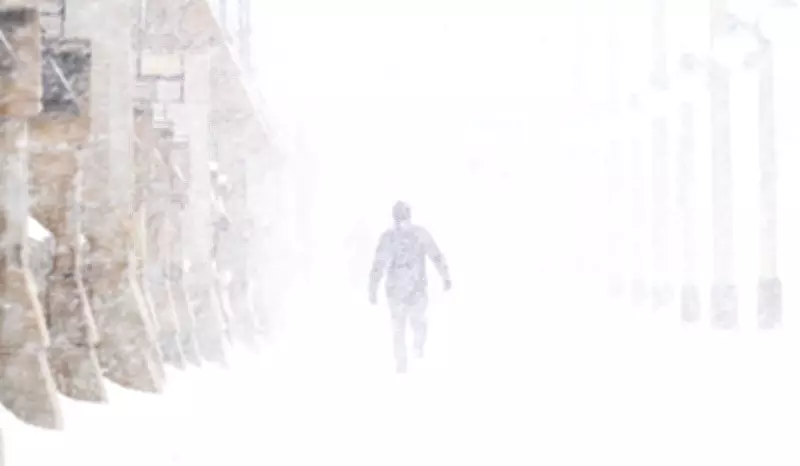
Environment Canada has extended severe cold weather warnings for multiple regions across Ontario, including the major metropolitan areas of Toronto and Ottawa, as a persistent and intense Arctic air mass continues to grip the province. This deep freeze, characterized by dangerously low temperatures and biting wind chills, is creating hazardous conditions for residents and prompting urgent advisories from meteorological authorities.
Widespread Impact and Dangerous Wind Chill Values
The cold warnings highlight significant risks, particularly from wind chill factors that can make the air feel as cold as -35 degrees Celsius in affected zones. Such extreme conditions pose serious health threats, including frostbite and hypothermia, especially for vulnerable populations such as the elderly, children, and those without adequate shelter. Authorities are urging people to limit outdoor exposure, dress in multiple layers, and be vigilant for signs of cold-related illnesses.
This weather event is part of a broader pattern where a southward dip in the jet stream has funneled frigid Arctic air directly into Ontario, while simultaneously bringing unseasonably mild temperatures to parts of British Columbia and Alberta. This stark contrast underscores the dynamic and often unpredictable nature of Canadian winter weather systems.

Broader Context and Related Weather Events
The current deep freeze in Ontario coincides with other significant weather and news events across Canada. For instance, while Ontario battles the cold, regions like Lambton and Middlesex Counties have recently experienced a massive weather event, leading to road closures and multi-vehicle accidents. Meanwhile, in a contrasting climate scenario, British Columbia and Alberta are enjoying balmy conditions, illustrating the vast meteorological diversity within the country.
Environment Canada's warnings serve as a critical reminder for Ontarians to prioritize safety during this prolonged cold snap. Residents are advised to stay informed through official weather updates, prepare their homes and vehicles for extreme cold, and check on neighbors who may be at higher risk. The persistence of this Arctic outbreak suggests that the cold warnings may remain in effect for the foreseeable future until a shift in the atmospheric pattern brings relief.