Unsettled Weather Pattern Brings Rain and Flurries to Southern Ontario
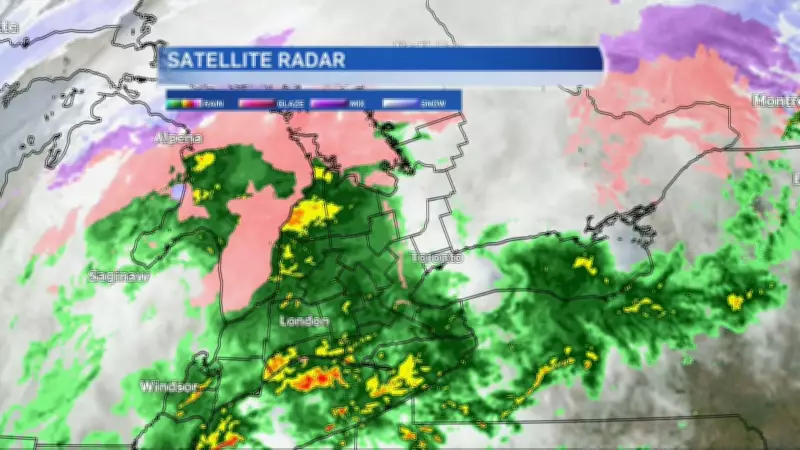
The regional forecast for southern Ontario continues to feature a stormy stretch of weather, with meteorologists reporting a persistent mix of rainfall and occasional flurries affecting the area. This unsettled pattern has dominated the weather landscape in recent days, creating challenging conditions for residents and travelers alike.
Current Weather Conditions and Immediate Outlook
As of Tuesday, March 11, 2026, the weather system has brought significant precipitation to the region. Rainfall has been particularly notable, with some areas experiencing steady downpours throughout the morning hours. The precipitation has occasionally transitioned to flurries in certain locations, creating a wintry mix that varies across different parts of southern Ontario.
Meteorologists emphasize that this weather pattern shows no immediate signs of breaking. The atmospheric setup remains conducive to continued precipitation, with moisture continuing to stream into the region from multiple sources. This has resulted in a prolonged period of damp, chilly conditions that have persisted beyond typical seasonal expectations.

Colder Air and Snow Expected Later This Week
Looking ahead to the coming days, forecasters are monitoring a significant change in the weather pattern. Colder air is expected to return on Thursday, bringing with it a more substantial blast of winter weather. This temperature drop will likely transform the current rain and flurry mix into more organized snowfall across many parts of the region.
The transition to colder conditions could result in:
- Accumulating snowfall in some areas
- Potential travel disruptions due to changing road conditions
- Increased need for winter preparedness as temperatures drop
- Possible weather advisories or warnings as the system develops
Regional Impacts and Safety Considerations
This extended period of stormy weather has already created various impacts across southern Ontario. Flood concerns have emerged in some locations due to the persistent rainfall, particularly in low-lying areas and near waterways. Municipal authorities are monitoring water levels closely and advising residents in flood-prone areas to remain vigilant.
Travel conditions have been affected by the precipitation, with reduced visibility and wet or slippery roads reported in many areas. Motorists are advised to exercise additional caution, especially during periods of heavier precipitation or when transitioning between rain and snow conditions.
The combination of rain and flurries creates particularly challenging driving conditions, as road surfaces can become unexpectedly slick. Pedestrians should also take care on sidewalks and walkways that may become slippery with the mixed precipitation.
Broader Weather Context Across Canada
This Ontario weather pattern occurs within a broader context of active weather across Canada. Other regions are experiencing their own significant weather events, including:
- Winter storm warnings in the Maritimes for snowy and icy conditions
- Freezing rain and winter storm alerts in multiple provinces
- Pacific storm systems affecting British Columbia with snow and wind
- Various weather-related advisories spanning from coast to coast
This widespread weather activity underscores the dynamic nature of Canada's climate during the transitional period between winter and spring, when multiple weather systems can affect different regions simultaneously.
Preparation and Staying Informed
Residents across southern Ontario are encouraged to stay updated on the latest forecasts as this weather pattern evolves. The expected arrival of colder air and potential snow later in the week means that winter preparedness measures may need to be revisited, even as spring approaches on the calendar.
Weather experts recommend monitoring local forecasts regularly, as conditions can change rapidly during these transitional periods. Having emergency supplies on hand and planning for potential travel disruptions remains prudent while this stormy weather pattern continues to affect the region.