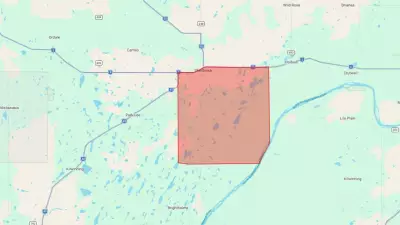
A powerful winter storm that struck during the holiday period brought the Sault Ste. Marie Airport to a standstill for four consecutive days, forcing the cancellation of approximately 50 flights. The severe weather, characterized by intense winds and significant ice accumulation, created hazardous conditions that made airport operations impossible.
Storm's Fury Halts Air Travel
The disruption began as the storm system moved through Northern Ontario. High winds and ice accretion were the primary culprits, crippling ground operations and creating unsafe conditions for both aircraft takeoffs and landings. The extended duration of the severe weather from late December into early January meant that airport staff and airlines could not safely resume normal schedules, leading to the prolonged closure.
Significant Impact on Holiday Travelers
The timing of the event during a peak travel period magnified its impact. With 50 flights cancelled over the four-day span, hundreds of travelers saw their holiday plans upended. Passengers were left scrambling for alternative arrangements, whether that meant rebooking flights, seeking refunds, or finding other modes of transportation. The incident highlights the vulnerability of regional air travel infrastructure to extreme winter weather events, which are common in the region.

Broader Context of Winter Weather
This event was part of a wider pattern of disruptive winter weather across Canada in early January 2026. Numerous regions, from Southern Ontario to the Maritimes, faced their own challenges with freezing rain, snow, and ice, leading to school bus cancellations, hazardous road conditions, and other travel advisories. The situation at the Sault Ste. Marie airport serves as a stark reminder of the tangible effects severe weather can have on critical transportation hubs, especially in more remote or northern communities.
Airport authorities and airlines worked to manage the backlog of passengers and reschedule affected flights once conditions improved and operations could safely resume. The incident underscores the importance of preparedness and communication during major weather-related travel disruptions.