Nor'easter Brings Snow, Wind, and Cancellations Across Maritimes
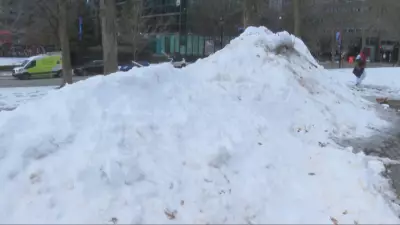
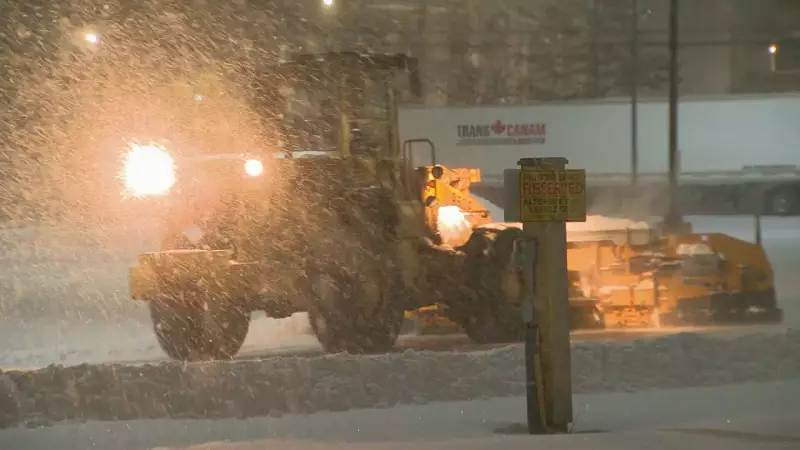
A slow-moving Nor'easter is currently sweeping through the Maritimes, bringing with it a mix of heavy snowfall and gusty winds that have led to widespread disruptions. The storm, which began impacting the region on Monday, has resulted in numerous cancellations and closures, affecting schools, transit systems, and flights.
Weather Forecast and Storm Impact
According to weather forecasts, the Nor'easter is expected to persist, with snowfall warnings remaining in effect for many areas. The storm has already dumped significant amounts of snow, leading to hazardous travel conditions. Gusty winds are exacerbating the situation, causing blowing snow and reduced visibility on roads and highways.
In response to the severe weather, many schools across the Maritimes have announced closures for the day. School buses in some regions, such as Ottawa, are running, but officials urge caution due to the ongoing snowfall warning. Parents and guardians are advised to check local updates for the latest information on school operations.

Transportation Disruptions
The storm has caused major disruptions to transportation networks. In Toronto, transit systems are facing significant challenges following a massive snowfall, with delays and cancellations reported. Similarly, flight schedules at airports, including Vancouver, are being impacted by the blizzard conditions in Toronto, leading to delays and cancellations for travelers.
On the roads, authorities are warning drivers to exercise extreme caution. The Ontario Provincial Police have laid a stunt driving charge after a 70-year-old was caught going 151 km/h on Highway 17, highlighting the dangers of speeding in poor weather. Car battery issues are also a concern, with CAA Quebec expecting its busiest day of the year due to cold-related failures.
Related Incidents and Safety Measures
Beyond the immediate weather impacts, several related incidents have been reported. A private jet with eight people aboard crashed on takeoff in Maine, according to the FAA, though details are still emerging. In Saskatchewan, communities broke records during the latest cold snap, with extreme temperatures adding to the winter woes.
To stay safe during the storm, experts recommend:
- Keeping emergency kits in vehicles, including blankets and flashlights.
- Avoiding unnecessary travel until conditions improve.
- Checking on vulnerable neighbors, especially during power outages.
In some areas, such as NDG and Côte Saint-Luc, warming centers have been set up for residents affected by power outages. It is crucial to follow local advisories and stay informed through official channels.
Broader Context and Future Outlook
This Nor'easter is part of a larger pattern of severe winter weather affecting Canada and the United States. A massive winter storm has dumped sleet, freezing rain, and snow across much of the U.S., while Ontario, Quebec, and the Maritimes are bracing for near -50°C temperatures this weekend. Such extreme conditions underscore the importance of preparedness and resilience in the face of climate-related events.
As the storm continues, residents are urged to monitor updates from meteorological agencies and local authorities. The combination of snow, wind, and cold poses significant risks, and taking proactive steps can help mitigate the impact on daily life and safety.