Major Winter Storm Triggers Disruptions Across Atlantic Canada
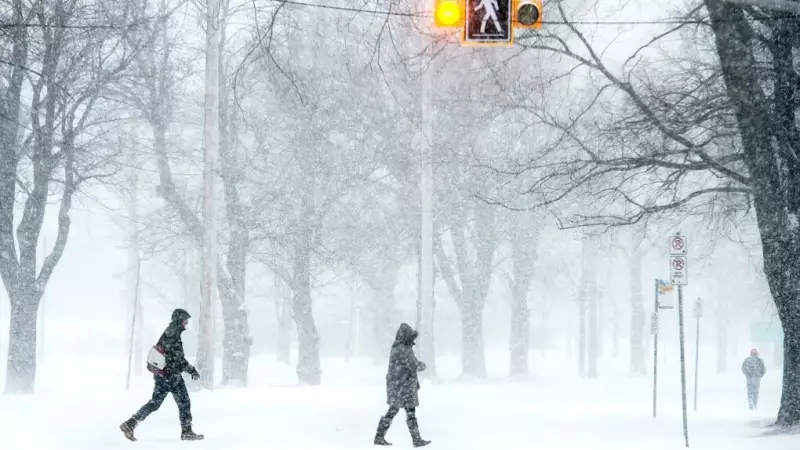
A significant Nor'easter storm system is currently bearing down on Canada's Maritime provinces, prompting a wave of closures and delays as residents brace for severe winter conditions. The approaching storm has already begun to impact daily life, with authorities taking proactive measures to ensure public safety.
School Closures and Transportation Impacts
Numerous school districts across the region have announced closures for Monday, January 26, 2026, citing anticipated hazardous travel conditions. Public transportation services, including school buses and some municipal transit routes, have been cancelled or are operating on reduced schedules. The decision aims to prevent accidents and keep students and commuters safe during the peak of the storm.
Emergency services are urging residents to avoid non-essential travel as visibility deteriorates and road conditions become treacherous. Local police departments have reported an increase in weather-related incidents, including minor collisions and vehicles becoming stuck in snowdrifts.

Forecast and Expected Conditions
Meteorologists are predicting heavy snowfall accumulations, with some areas potentially receiving over 30 centimeters of snow. Strong winds accompanying the system may lead to blowing snow, reduced visibility, and the possibility of power outages. Temperatures are expected to plummet, with wind chill values making it feel like -30°C or colder in exposed areas.
The combination of snow, wind, and extreme cold creates a dangerous situation for anyone caught outdoors. Environment Canada has issued winter storm warnings and extreme cold advisories for much of Nova Scotia, New Brunswick, and Prince Edward Island.
Community Response and Preparedness
Municipal governments have activated their extreme weather response plans, which include:
- Deploying additional snow removal equipment
- Opening emergency warming centers for vulnerable populations
- Coordinating with utility companies to respond to potential power outages
- Providing regular updates through official communication channels
Residents are advised to prepare emergency kits containing essentials such as non-perishable food, water, medications, and flashlights with extra batteries. Those who must travel are reminded to have winter survival kits in their vehicles, including blankets, a shovel, and sand or kitty litter for traction.
Broader Regional Weather Patterns
This Nor'easter is part of a larger pattern of severe winter weather affecting eastern Canada. Ontario and Quebec have recently experienced their own significant snow events and extreme cold temperatures. The interconnected nature of these weather systems highlights the challenges Canadians face during the winter months and the importance of preparedness across multiple regions.
As the storm progresses, officials will continue to monitor conditions and adjust response efforts accordingly. The public is encouraged to stay informed through local media and official weather alerts for the latest updates on this developing situation.