Environment and Climate Change Canada has issued a significant freezing rain warning for the Montreal area on Thursday, alerting residents to potentially hazardous conditions that could severely impact the morning rush hour commute. The yellow warning indicates that between two and four millimetres of precipitation is expected to fall, creating slippery and dangerous surfaces on roads and sidewalks before temperatures eventually rise above freezing later in the day.
Detailed Weather Forecast and Historical Context
Early Thursday morning, temperatures in Montreal hovered around minus-4 degrees Celsius, with the wind chill making it feel like minus-7. Meteorologists predict the mercury will climb to a high of 6 degrees Celsius, accompanied by rain as conditions warm. However, the situation will shift again around midnight, with flurries expected alongside wind gusts reaching up to 40 kilometres per hour. The overnight low is forecast to drop to minus-6 degrees Celsius, with wind chill values plunging to a biting minus-13.
Historical Weather Comparisons
For context, the average high temperature for Montreal on March 26th typically sits at 4.7 degrees Celsius, while the average low is minus-4.4 degrees Celsius. This stands in stark contrast to historical records, which show that on this same date in 1945, temperatures soared to more than 20 degrees Celsius, highlighting the variability of early spring weather patterns in the region.

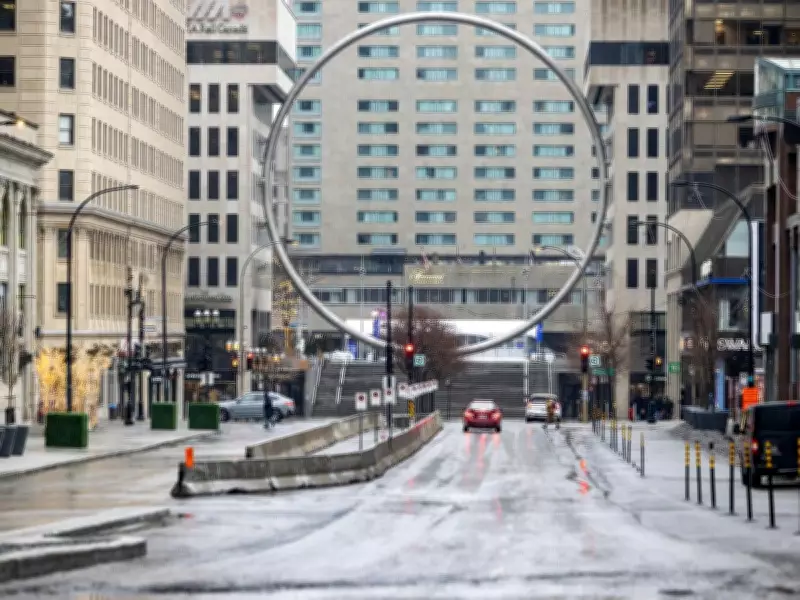
The combination of freezing rain followed by rising temperatures presents a classic late-winter hazard for urban commuters. Such conditions often lead to icy patches on major roadways like McGill College Avenue, where similar mixed precipitation events have previously caused disruptions. Residents are advised to exercise extreme caution during their morning travels, allow extra time for their commutes, and consider alternative transportation options if possible.
Environment Canada's warning serves as a crucial reminder of how quickly weather can change in transitional seasons, particularly in northern cities like Montreal where temperature fluctuations around the freezing point can create dangerous precipitation types. The agency continues to monitor the situation closely and will provide updates as conditions evolve throughout the day.