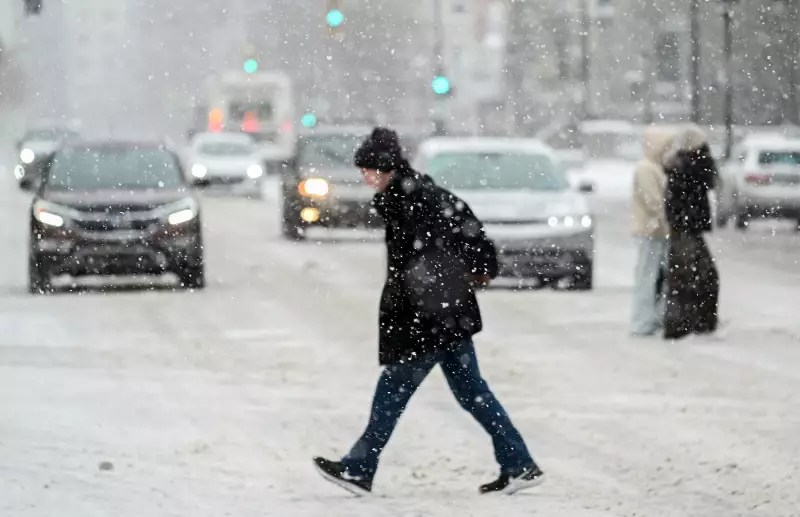
A powerful winter storm is poised to sweep across Atlantic Canada, bringing significant snowfall and hazardous conditions for the early part of the week. Environment Canada has issued warnings for a multi-day weather event expected to begin on Tuesday, December 2, 2025, and continue through Wednesday.
Storm Timeline and Expected Impacts
The system is forecast to move into the Maritimes on Tuesday, with precipitation starting as snow for most areas. Meteorologists warn that the storm could bring a substantial accumulation of snow, potentially exceeding 15 to 30 centimeters in some regions, particularly over higher terrain and northern areas. As the event progresses, a risk of freezing rain is anticipated for parts of Nova Scotia and New Brunswick, which could lead to slippery roads and possible power outages due to ice accretion on trees and power lines.
Preparations and Safety Advice
Residents across the affected provinces are urged to prepare for difficult travel conditions. Local authorities recommend stocking emergency kits for homes and vehicles, which should include essentials like water, non-perishable food, flashlights, and blankets. Drivers are advised to consider postponing non-essential travel once the storm arrives and to exercise extreme caution if they must be on the roads. The timing of the storm in early December serves as a sharp reminder for Canadians to finalize their winter preparedness plans.

This storm follows a pattern of active weather across the country, as seen with recent snow and freezing rain warnings issued for B.C.'s Interior. The contrasting weather events highlight Canada's diverse and often severe winter climate. Meanwhile, other regions are dealing with different challenges, such as Montreal's announcement to open 500 new warming shelter spaces by Christmas to protect vulnerable populations from the cold.
Broader National Weather Context
The incoming Maritime storm is part of a dynamic national weather picture. While the East Coast braces for snow, other headlines focus on seasonal shifts, like the early opening of ski slopes in some areas. The storm's development will be closely monitored by meteorologists, including Kalin Mitchell, whose forecast analysis is key for the region. Residents should stay updated through official Environment Canada channels for the latest warnings and statements as the storm system evolves.