Residents across Atlantic Canada are bracing for another day of treacherous winter conditions as freezing rain warnings remain in effect into Wednesday evening. The prolonged bout of icy weather continues to create hazardous travel conditions and risks for pedestrians.
Extended Period of Hazardous Conditions
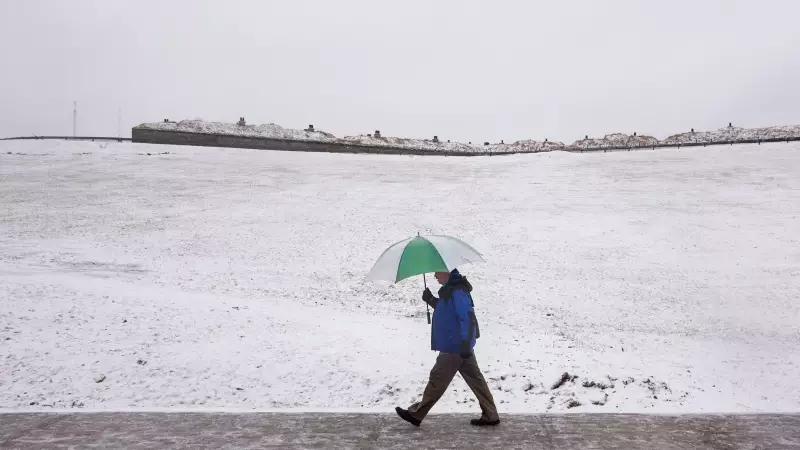
The meteorological event, which began earlier in the week, shows little sign of a swift departure. Environment Canada's warnings highlight the persistent threat of freezing rain coating surfaces in a dangerous layer of ice. This follows a pattern of mixed precipitation that has gripped the region, reminiscent of a significant event from March 21, 2016, when a man was photographed shielding himself from a mix of snow and freezing rain in Halifax.
The current warnings underscore the serious nature of the weather system. Roads, sidewalks, and power lines are particularly vulnerable to ice accumulation, raising the risks of slips, falls, power outages, and difficult driving conditions. Authorities are urging the public to exercise extreme caution if travel is necessary.

Public Safety and Regional Impact
The extended warning period means communities must remain vigilant. The icy precipitation creates a glaze that can be nearly invisible to the eye, making black ice a major concern for both drivers and those on foot. Public works crews are likely engaged in salting and sanding operations, but the continuous nature of the freezing rain can quickly negate their efforts.
This weather event is part of a broader pattern of winter extremes being reported across the country, from heavy fog in Middlesex County to the aftermath of a major watermain issue in Calgary. It serves as a stark reminder of Canada's challenging winter climate and the importance of heeding local weather advisories.
Staying Informed and Prepared
With the warnings expected to last through Wednesday evening, residents are advised to monitor updates from Environment Canada and local authorities. Preparations should include allowing extra travel time, ensuring vehicles are equipped for winter driving, and taking care when walking outdoors. The situation highlights the critical role of timely weather information in maintaining public safety during severe winter events in Atlantic Canada.