Essential Ice Storm Safety Guide: Protecting Your Home and Family
Ice storms present significant dangers, from treacherous driving conditions to potential property damage and power outages. With freezing rain accumulating on surfaces, it is crucial to take proactive measures to ensure safety for both your household and your residence. This comprehensive guide outlines practical steps you can implement before, during, and after an ice storm event.
Preparing Your Home for Freezing Rain
Insulate pipes in unheated areas like basements, attics, and garages to prevent them from freezing and bursting. Consider allowing faucets to drip slightly during extreme cold to maintain water flow. Trim tree branches near your home and power lines, as ice accumulation can cause them to snap and fall, leading to structural damage or power disruptions.
Ensure your emergency kit is stocked with essentials such as non-perishable food, water, flashlights, batteries, a first-aid kit, and blankets. Keep a battery-powered or hand-crank radio to stay informed about weather updates and emergency instructions. If you rely on electrically powered medical equipment, arrange for backup power sources like generators, ensuring they are used safely outdoors to avoid carbon monoxide poisoning.

Staying Safe During the Storm
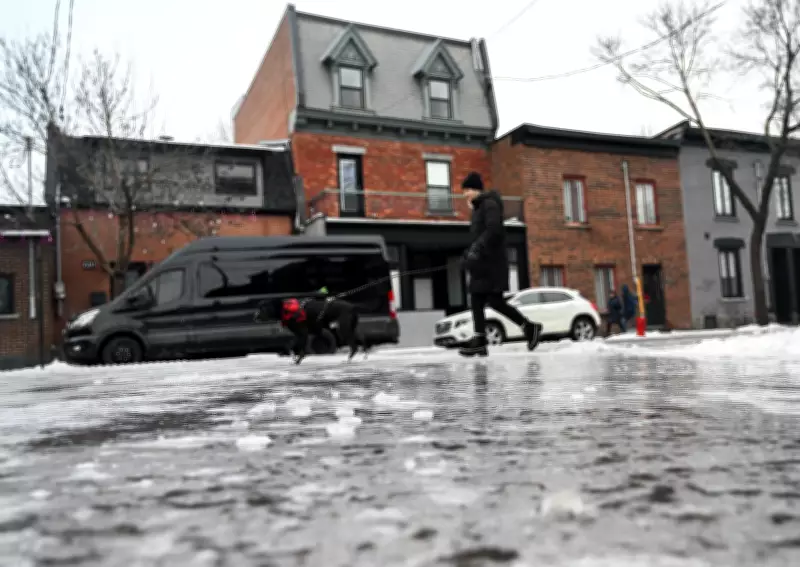
Avoid unnecessary travel, as roads and sidewalks become extremely slippery. If you must go out, wear sturdy, non-slip footwear and move slowly. Be cautious of falling ice or branches when walking outside. Monitor local news and weather alerts for updates on storm severity and any evacuation notices.
In case of a power outage, use alternative heating sources like fireplaces or portable heaters with caution, keeping them away from flammable materials and ensuring proper ventilation. Check on neighbors, especially elderly individuals or those with limited mobility, to ensure they have necessary supplies and assistance.
Post-Storm Recovery and Damage Assessment
Once the storm passes, inspect your property for damage. Look for:
- Cracked or broken windows
- Damaged roof shingles or gutters
- Fallen trees or branches on structures
- Signs of water leaks from frozen pipes
Document any damage with photographs for insurance claims. Clear walkways and driveways of ice using salt or sand to prevent slips. If you suspect electrical damage, contact a professional before restoring power to affected areas.
By following these guidelines, you can significantly reduce risks and protect your home during ice storms. Preparedness is key to navigating winter weather safely and efficiently.