Flood warnings across British Columbia have been dramatically scaled back, with authorities lifting alerts for nearly all rivers as of Wednesday, December 17, 2025. The significant downgrade follows a period of intense rainfall and rising waters that prompted widespread concern last week.
Rapid Improvement in River Conditions
The River Forecast Centre announced that only a single waterway in the province remains under an official flood warning. This marks a swift improvement from the peak of the storm event, which saw multiple rivers swell to dangerous levels. The decision to lift the warnings indicates that water flows have receded substantially and no longer pose an immediate threat of overflowing their banks.
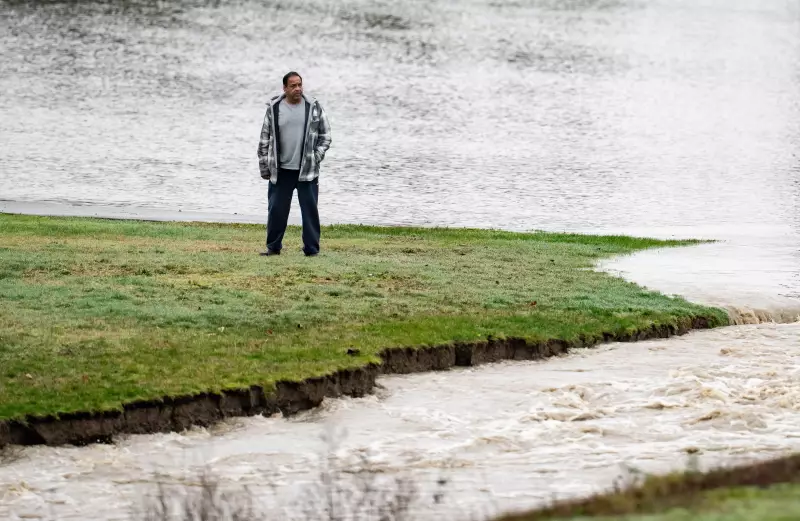
The situation was particularly severe in the Fraser Valley. On Friday, December 12, 2025, a man was observed watching as floodwaters aggressively eroded soil, carving a new channel off a highway in Abbotsford. The image, captured by The Canadian Press, underscored the powerful and destructive potential of the rushing water during the event's height.

Context of a Widespread Weather Event
The flooding occurred as part of a major storm system that impacted much of the province's South Coast. The same weather event was responsible for knocking out power to more than 100,000 customers in the region. While the flood threat has now largely passed, the event serves as a stark reminder of British Columbia's vulnerability to extreme weather, particularly following the catastrophic floods of 2021.
Environment Canada had issued a series of weather warnings during the storm, which brought heavy rain and strong winds. The precipitation led to rapid snowmelt in some areas, exacerbating the runoff into river systems and contributing to the sharp rise in water levels.
Ongoing Monitoring and Public Safety
Despite the widespread lifting of warnings, officials continue to urge caution. The one river still under a flood warning is being closely monitored by the River Forecast Centre. Residents, especially those in low-lying areas historically prone to flooding, are advised to stay informed about local conditions.
The rapid response and clear communication from provincial authorities highlight improved preparedness and monitoring systems since previous major flood events. The public is reminded to heed local advisories, avoid riverbanks that may be unstable, and report any new flooding concerns to local emergency officials immediately.
As recovery efforts continue and infrastructure is assessed for damage, the focus shifts from immediate response to longer-term resilience planning against future atmospheric river events.