Flood Risk Escalates in London, Ontario as Rain, Snowmelt, and Cold Weather Converge
The city of London, Ontario is bracing for a significant increase in flooding risk as a combination of heavy rainfall, melting snow, and the return of cold weather creates a volatile and potentially dangerous situation. This convergence of meteorological factors is putting pressure on the Thames River and local infrastructure, raising alarms among residents and authorities alike.
A Perfect Storm of Hazardous Conditions
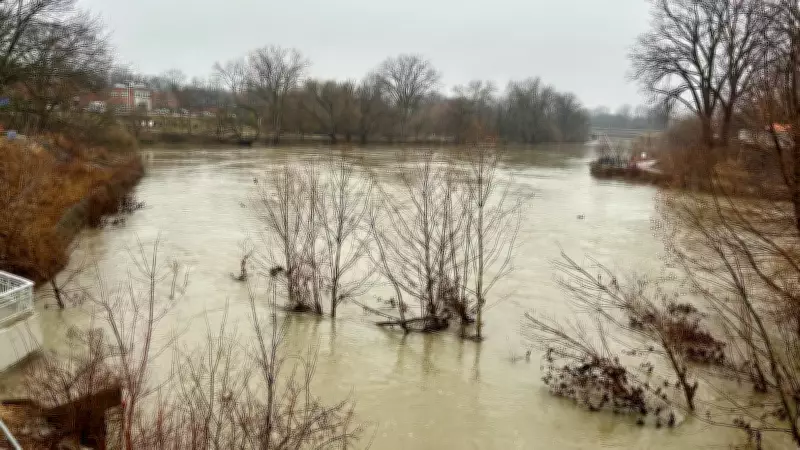
On March 11, 2026, the Thames River in London was already showing signs of strain as these weather elements began to collide. The heavy rain expected across southern Ontario is compounding the effects of melting snow from recent winter accumulations. This dual influx of water is rapidly increasing river levels and overwhelming drainage systems.
Making matters worse, the forecast includes a return to cold temperatures that could freeze this excess water, creating ice jams and further obstruction to natural water flow. This icy component adds another layer of complexity to an already precarious flooding scenario.

Regional Weather Patterns Amplify Concerns
The flooding concerns in London are part of broader weather patterns affecting Ontario and neighboring regions. Warnings have been issued ahead of snowy and icy mixes in the Maritimes, while northeastern Ontario experiences winter storms that blanket the area. This stormy stretch continues with rain and flurries mixing into regional forecasts, suggesting that the conditions contributing to London's flooding risk may persist or intensify.
In Meaford, Ontario, roads have already been drenched by river flooding described as "not seen in years," indicating that similar communities throughout the region may face comparable challenges as water systems become overloaded.
Infrastructure and Safety Implications
The rising flood risk has serious implications for transportation and public safety. Highway closures have already occurred due to weather-related collisions, and the potential for further road disruptions remains high as water levels continue to rise. Emergency services are on alert, and residents are being advised to take precautions in flood-prone areas.
This situation underscores the importance of climate resilience in urban planning and infrastructure development. As extreme weather events become more frequent and intense, communities like London must adapt their flood management strategies to protect property and ensure public safety.
Broader Context of Environmental Challenges
The flooding concerns in London occur against a backdrop of increasing environmental challenges documented across Canada. From the catastrophic ecological damage caused by North America's 2021 "heat dome" to shifting climate patterns affecting wildlife, the need for comprehensive environmental policy and adaptation measures has never been more apparent.
As London faces this immediate flooding threat, the event serves as a reminder of how interconnected weather systems are and how vulnerable communities can be to sudden environmental changes. The coming days will be critical for monitoring river levels and implementing protective measures to minimize damage from what could become a significant flooding event.