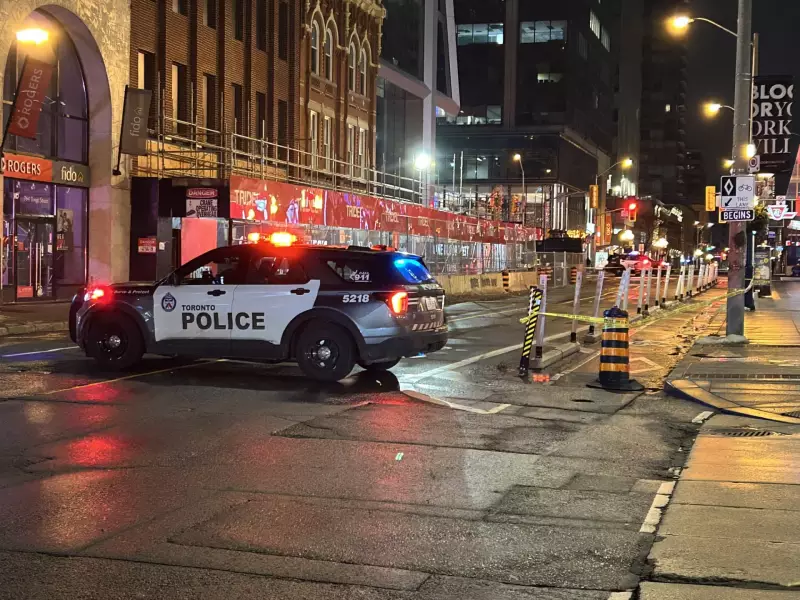
Toronto police were forced to close a section of one of the city's busiest streets on Thursday morning after receiving alarming reports of large chunks of ice plummeting from buildings.
Emergency Response on Yonge Street
The incident occurred in the upscale Yorkville neighbourhood near the intersection of Yonge and Bloor streets. Authorities responded swiftly to calls about the dangerous falling ice, implementing a full shutdown of a stretch of Yonge Street to protect pedestrians and motorists. The closure was announced on January 08, 2026, just after 6:30 AM EST.
While specific details on the building or buildings involved were not immediately released by police, the action highlights a recurring winter hazard in major Canadian cities. The combination of thawing and freezing cycles on tall structures can create significant ice formations that pose a serious risk when they break loose.

A Known Winter Danger in Urban Centers
This type of incident is not uncommon during Canadian winters, especially following periods of snowfall and temperature fluctuations. Property owners and managers have a responsibility to monitor and safely remove ice buildup from roofs, balconies, and facades to prevent such dangers.
The police closure serves as a critical precautionary measure. Falling ice can cause severe injury or significant property damage due to its weight and the height from which it falls. Pedestrians are routinely advised to be vigilant, heed warning signs and barriers, and avoid walking close to the edges of buildings during the winter months.
Public Safety Remains the Priority
The primary focus for Toronto Police Service remains public safety. By cordoning off the affected area, they effectively eliminated the risk of anyone being struck. There were no immediate reports of injuries or damage related to this specific event.
Commuters and residents were advised to seek alternate routes while cleanup and safety assessments were conducted. The incident serves as a stark reminder for all city dwellers to be aware of their surroundings during winter weather events and to report any similar hazards to authorities immediately.