Arctic Air Mass Triggers Widespread Cold Warnings Across Northern Ontario
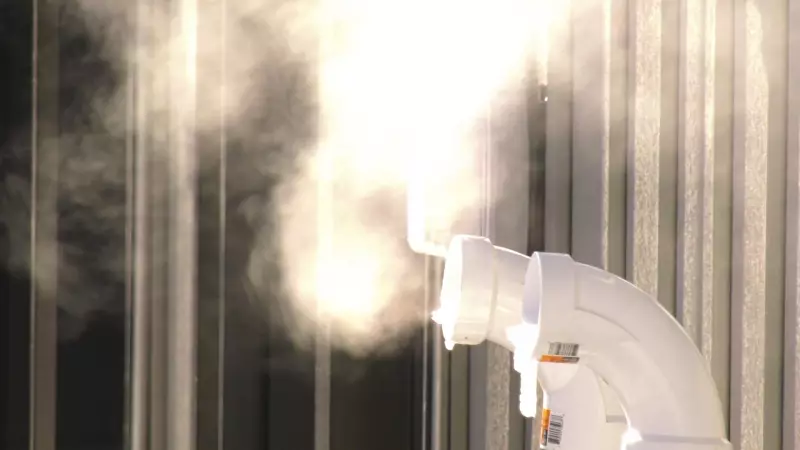
Environment Canada has issued extreme cold warnings for numerous communities across northern Ontario as a powerful Arctic air mass descends upon the region. The weather agency warns that dangerously low temperatures and wind chill values approaching -50°C are expected to persist through the weekend, creating hazardous conditions for residents.
Forecast Details and Safety Precautions
According to CTV News weather specialist Rick Wyman, this cold snap represents one of the most significant Arctic outbreaks of the winter season. Temperatures are forecast to plummet well below seasonal norms, with overnight lows potentially reaching -40°C in some areas before wind chill is factored in. The combination of extreme cold and brisk winds creates wind chill values that can cause frostbite on exposed skin in mere minutes.
Environment Canada emphasizes that these conditions pose serious health risks, particularly for vulnerable populations including the elderly, young children, outdoor workers, and those experiencing homelessness. The agency recommends that residents:

- Limit time spent outdoors during the coldest periods
- Dress in multiple layers with wind-resistant outerwear
- Cover all exposed skin to prevent frostbite
- Check on vulnerable neighbors and family members
- Ensure pets have adequate shelter from the cold
Regional Impacts and School Closures
The extreme cold has already prompted several school closures across affected regions as administrators prioritize student safety. Transportation services may experience delays, and emergency services are preparing for increased calls related to cold exposure and heating system failures.
This weather system is part of a broader pattern affecting much of Canada, with cold warnings issued for 10 of 13 provinces and territories. Similar conditions are being reported in the Maritimes, where wind chill values as low as -37°C are expected, and in Manitoba, where extreme cold has forced multiple school closures.
Longer-Term Outlook and Climate Context
While this particular cold snap is expected to moderate early next week, meteorologists note that such extreme winter events continue to occur even as global temperatures rise. The phenomenon highlights the complex relationship between climate change and winter weather patterns, where warming Arctic regions can sometimes destabilize polar vortex systems, allowing frigid air to spill southward into populated areas.
Local authorities are urging residents to take the warnings seriously and prepare for several days of challenging winter conditions. Warming centers have opened in some communities, and utility companies are monitoring electricity demand as heating systems work overtime to combat the extreme cold.