Catastrophic Landslides Devastate Ethiopia, Leaving Dozens Dead and Hundreds Missing
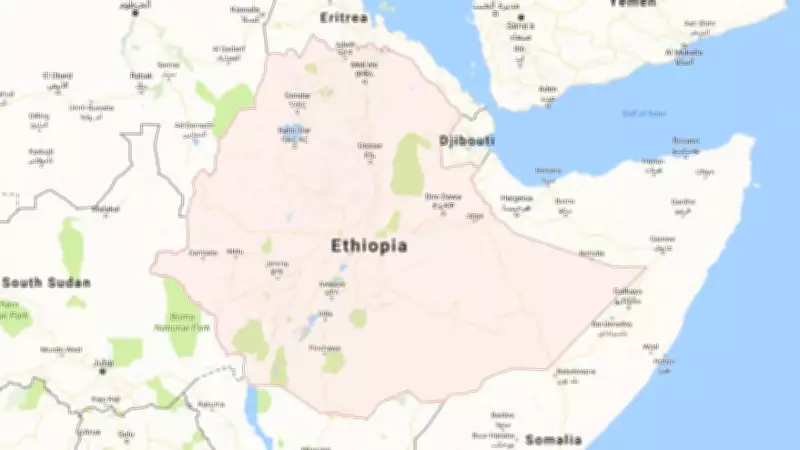
In a tragic natural disaster, Ethiopia has been struck by severe landslides that have claimed the lives of at least 50 people, with an additional 125 individuals reported missing. The incident, which occurred recently, has plunged local communities into a state of emergency as rescue teams scramble to locate survivors amidst the rubble and debris.
Immediate Impact and Response Efforts
The landslides, triggered by heavy rainfall and unstable terrain, swept through vulnerable areas, causing widespread destruction. Emergency services have been mobilized to conduct search and rescue operations, but challenging conditions are hampering efforts. Authorities are urging caution as the risk of further landslides remains high, complicating the response and putting additional lives at stake.
Local hospitals are overwhelmed with casualties, and makeshift shelters have been set up to accommodate displaced families. The Ethiopian government, along with international aid organizations, is coordinating relief efforts to provide essential supplies such as food, water, and medical aid to those affected.

Broader Context and Environmental Factors
Ethiopia is no stranger to natural disasters, with its rugged landscapes and seasonal rains often leading to similar incidents. However, this event stands out due to its scale and the high number of missing persons. Experts point to deforestation and climate change as contributing factors, exacerbating soil erosion and making regions more susceptible to landslides.
Key aspects of the disaster include:
- High Casualty Count: The death toll is expected to rise as rescue operations continue.
- Missing Persons: Families are anxiously awaiting news of their loved ones among the 125 reported missing.
- Infrastructure Damage: Roads and communication lines have been severed, isolating affected communities.
- Environmental Triggers: Intense rainfall and geological instability played a critical role in the landslides.
Long-Term Implications and Recovery
As the immediate crisis unfolds, attention is turning to long-term recovery and prevention. Rebuilding efforts will require significant resources and international support to restore homes and infrastructure. Additionally, there is a growing call for improved early warning systems and land-use planning to mitigate future risks.
The disaster underscores the urgent need for global action on climate resilience, particularly in vulnerable regions like Ethiopia. Communities are banding together in solidarity, but the road to recovery will be long and arduous.