A persistent and bitter cold snap continues to hold Ottawa in its grip, with residents bundling up against temperatures that feel more characteristic of the deep winter months. The capital is experiencing a significant influx of Arctic air, leading to dangerously low wind chills and prompting warnings to take precautions.
Arctic Air Mass Settles Over the Region
The source of the chill is a powerful mass of cold Arctic air that has flooded into Eastern Ontario. This system is responsible for the well-below-seasonal temperatures being recorded across the city. Environment Canada has highlighted the risk of frostbite on exposed skin within minutes due to the combination of low temperatures and biting winds.
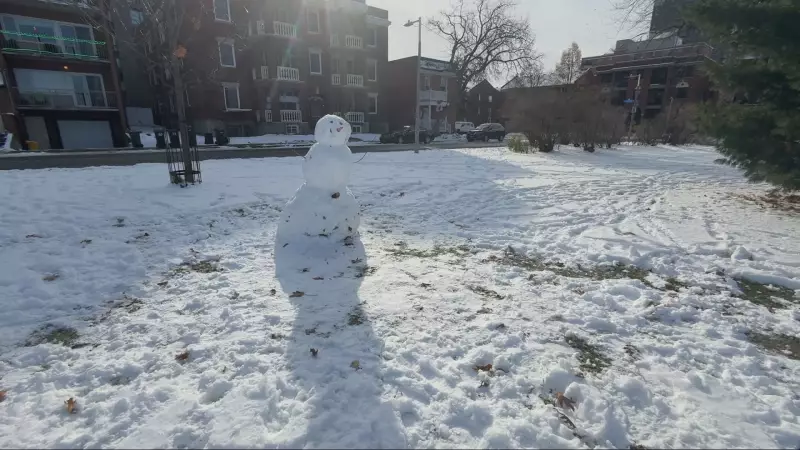
While the skies may be clear, the intense cold is the dominant weather story. The frigid conditions are impacting daily life, from morning commutes to outdoor activities. A scene from MacDonald Garden Park in Ottawa, captured by Brad Quinn of CTV News Ottawa, illustrates the stark, frosty reality of a December day under this cold dome.

Safety Precautions for Extreme Cold
Health and safety officials are urging Ottawans to take the conditions seriously. Key recommendations for enduring the cold spell include:
- Dressing in multiple layers of warm clothing, with a wind-resistant outer layer.
- Covering all exposed skin, including fingers, ears, and nose.
- Being aware of the early signs of frostbite and hypothermia.
- Limiting time outdoors for both people and pets.
Vulnerable populations, such as seniors, people experiencing homelessness, and those with pre-existing health conditions, are at particular risk during such extreme weather events. Community agencies often activate additional services during cold alerts.
Context and Duration of the Cold Spell
This cold wave arrives as December begins, setting a frosty tone for the early winter season. While cold temperatures are expected in an Ottawa winter, the severity and persistence of this current pattern are notable. The weather stands in contrast to other national news, such as a study on homicide rates from Statistics Canada or provincial policy discussions, by being an immediate and tangible concern for local residents.
Meteorologists are monitoring the system to predict how long the capital will remain under this deep freeze. Residents are advised to stay informed through updated forecasts from Environment Canada and local news outlets. Preparing vehicles for cold weather, ensuring home heating systems are functioning, and checking on neighbors are all prudent steps while the Arctic air remains parked over the region.