Severe Winter Weather Grips Southern Ontario and Quebec
Environment Canada has issued a series of cold warnings and snowsquall advisories across southwestern Ontario and parts of Quebec, as a powerful winter system brings frigid temperatures and significant snowfall to the region. The warnings, which were updated on January 26, 2026, highlight dangerous conditions that are expected to persist through the week, impacting travel, outdoor activities, and public safety.
Current Weather Alerts and Forecast Details
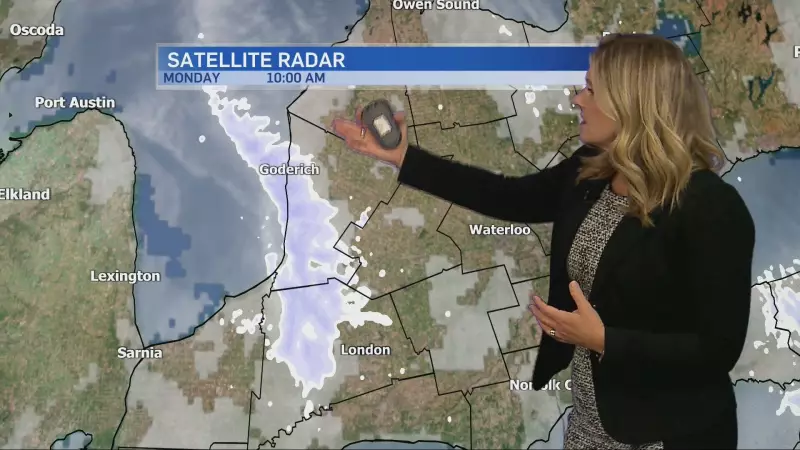
As of the latest update, cold warnings are in effect for areas including London, Toronto, and the Greater Toronto and Hamilton Area (GTHA), with temperatures forecasted to drop to near -50°C when wind chill is factored in over the weekend. Snowsquall warnings have also been posted for regions prone to lake-effect snow, particularly near the Great Lakes, where sudden bursts of heavy snow and reduced visibility are creating hazardous driving conditions.
In southwestern Ontario, meteorologist Julie Atchison provided the latest forecast, noting that the cold snap is part of a broader pattern affecting much of eastern Canada. Meanwhile, in Quebec, similar warnings are in place, with residents advised to prepare for extreme cold and potential snow accumulations. The Maritimes are also bracing for additional snowfall through Tuesday morning, adding to the winter woes.

Impacts on Daily Life and Infrastructure
The severe weather has led to numerous disruptions across the affected provinces. In Ottawa, a daytime parking ban is now in effect after 13 cm of snow blanketed the city, complicating commutes and municipal snow-clearing efforts. London has seen residential street plowing operations, with authorities urging residents to be patient as crews work to clear the accumulating snow.
Travel advisories have been issued for highways, including a collision that closed eastbound lanes on Henday at 111 Street in south Edmonton, though this is unrelated to the Ontario and Quebec warnings. In more tragic news, a jet crash in Bangor, Maine, resulted in seven fatalities, with the U.S. Federal Aviation Administration citing snowy conditions as a factor, underscoring the broader risks of winter weather across North America.
Broader Context and Safety Recommendations
This wave of cold and snow is part of a larger winter storm system that has affected much of the United States and Canada, with at least 13 deaths reported in the Northeast due to related incidents. Environment Canada emphasizes the importance of taking precautions during such extreme weather events. Recommendations include:
- Limiting outdoor exposure to prevent frostbite and hypothermia.
- Ensuring vehicles are winter-ready with proper tires and emergency kits.
- Staying updated on local weather alerts and road conditions.
- Checking on vulnerable neighbors, such as the elderly, during cold snaps.
As the region copes with these challenging conditions, residents are reminded that winter weather can change rapidly, and adherence to warnings is crucial for safety. The cold and snowsquall warnings are expected to remain in effect until temperatures moderate later in the week, though forecasts suggest a prolonged period of chilly weather ahead.