Calgarians are being advised to layer up and take precautions as the city prepares for what could be its coldest Christmas in several years. Environment and Climate Change Canada scientist Christy Climenhaga indicates this holiday period may be the coolest since the frigid Christmas of 2021.
A Forecast of Fluctuating Extremes
According to Climenhaga, Alberta is experiencing a complex weather pattern. Cold air is entrenched in the northern half of the province, while warmer air lingers to the south, with westerly winds adding to the mix. This setup means Calgarians can expect a bit of everything, with the colder air set to influence conditions on Christmas Eve.
"Just looking historically, this could be the coolest Christmas we've seen since about 2021 when it was a very, very chilly one," Climenhaga stated. "The last few have been milder. So cooler conditions are expected at least for Christmas Day and Christmas Eve."

Snowfall remains a possibility for Christmas Eve, with the cool air holding for Christmas Day itself. Residents can anticipate some relief from the deep cold just in time for Boxing Day.
Warm Relief on the Horizon for New Year's
The chilly spell is not expected to last through the end of the year. Forecasts predict a significant shift as 2025 comes to a close. Temperatures are projected to climb into positive territory around New Year's Eve and New Year's Day.
"We have a push of warmer air moving in for the weekend, especially into Monday, even into Tuesday," Climenhaga explained. "Our longer range models do have that milder air kicking in as you head towards New Year's Eve, New Year's Day. So, a good chance of a warm-up there."
Critical Health Advice for Holiday Outings
With the dangerous cold, health officials are emphasizing the importance of proper preparation to avoid frostbite and hypothermia. Shane Paton, an acting public education officer for AHS-EMS, outlined key safety measures for anyone spending time outdoors during the holidays.
"Dressing in layers is important," Paton advised. "It's easier to take a layer off should you be too warm, rather than be in need of more layers if you're cold." He also recommended taking frequent breaks in a warm vehicle or building and staying hydrated to help the body regulate its temperature.
Paton highlighted the progressive dangers of cold-related injuries. Frostbite has three degrees, starting with reversible frostnip and progressing to severe, potentially limb-threatening stages. Similarly, hypothermia ranges from mild to severe, with severe cases being life-threatening and potentially causing confusion, incoherence, and loss of coordination.
"Early recognition is key for treating someone with frostbite or hypothermia," Paton stressed, urging the public to be vigilant.
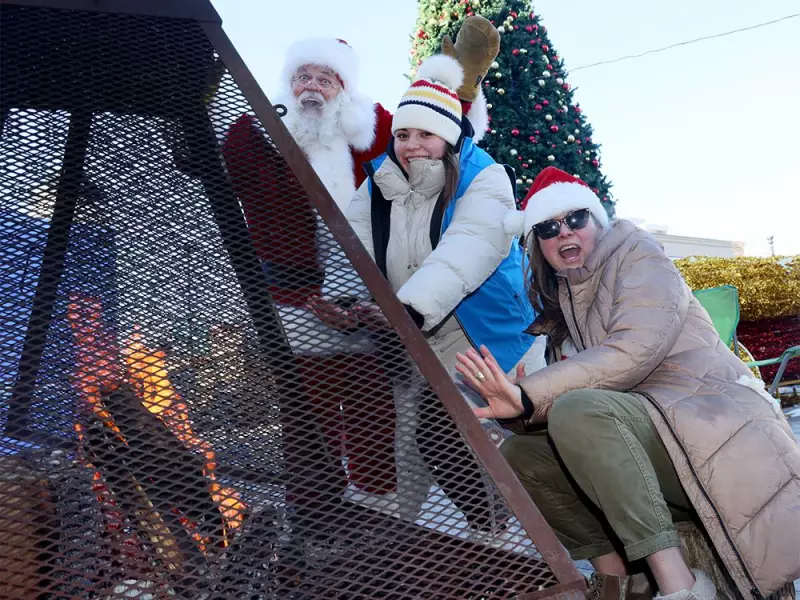
As Santa and Calgarians alike prepare for a frosty festive season, the message from experts is clear: enjoy the white Christmas, but prioritize warmth and safety until the promised January thaw arrives.