Calgary Faces Extended Period of Unseasonably Warm Weather
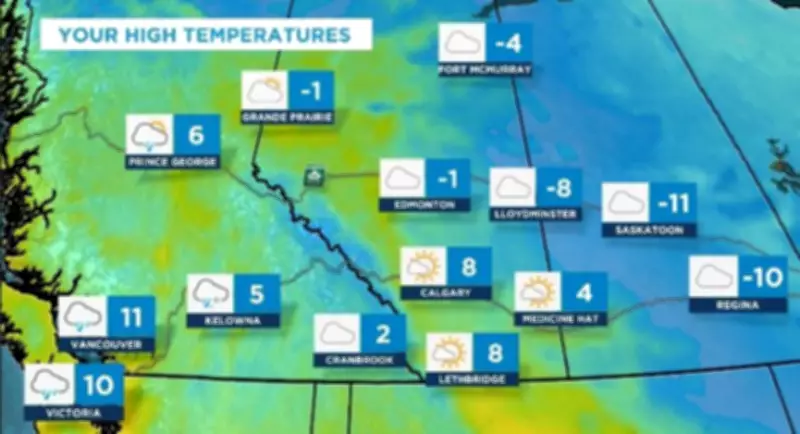
Residents of Calgary are bracing for a significant and prolonged warm spell, with meteorological data indicating that temperatures will sit between 9 and 19 degrees Celsius above the historical average for this time of year. This unusual weather pattern is expected to persist until early February, according to recent forecasts. The deviation from typical winter conditions has sparked discussions among climate experts and local communities about the broader implications of such anomalies.
Details of the Temperature Anomaly
The forecast highlights a consistent trend of elevated temperatures across the Calgary region. Typically, January and early February in Alberta are characterized by cold, often sub-zero conditions, but current models suggest a stark departure from this norm. This warm spell could have wide-ranging effects, from altering local ecosystems to impacting energy consumption patterns as heating demands decrease.
Meteorologists attribute this phenomenon to a combination of atmospheric patterns, including shifts in jet streams and high-pressure systems that are trapping warmer air over the area. Such events are becoming more frequent in the context of global climate change, with studies linking increased temperature variability to human-induced factors. While some may welcome the milder weather, it raises concerns about long-term environmental stability.

Potential Impacts and Community Response
The extended warm period is not without its consequences. Key areas of concern include:
- Agricultural Effects: Unseasonable warmth can disrupt crop cycles and soil moisture levels, affecting farmers who rely on predictable seasonal patterns.
- Wildlife Disruption: Local fauna, adapted to colder temperatures, may face challenges in finding food or maintaining natural hibernation rhythms.
- Infrastructure Strain Utilities and public services might need to adjust to reduced winter maintenance demands, while also preparing for potential early spring thaws.
In response, city officials and environmental groups in Calgary are monitoring the situation closely. Public advisories have been issued to encourage water conservation and awareness of changing conditions. This event underscores the importance of adaptive strategies in urban planning, as communities across Canada grapple with the realities of a warming climate.
Broader Climate Context
This warm spell in Calgary is part of a larger trend observed across Canada, where extreme weather events are becoming more common. Research indicates that such temperature anomalies are likely to increase in frequency and intensity due to ongoing climate change. Understanding these patterns is crucial for developing effective mitigation and adaptation policies, ensuring that cities like Calgary can remain resilient in the face of environmental shifts.
As the warm spell continues, residents are advised to stay informed through local weather updates and to consider the environmental impacts of their daily activities. The situation serves as a reminder of the interconnectedness of local weather events and global climate dynamics, highlighting the need for continued vigilance and proactive measures.