Calgary Prepares for Significant Temperature Surge This Weekend
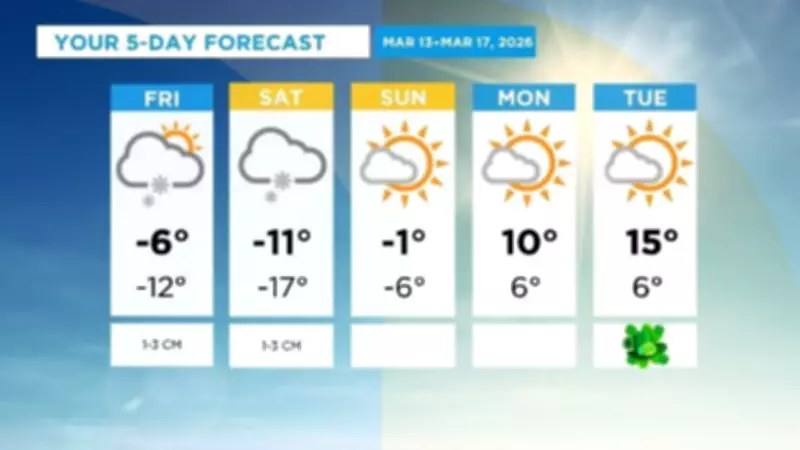
Residents of Calgary are in for a weather rollercoaster as meteorologists forecast a dramatic rise in temperatures over the coming days. According to recent reports, daytime highs are expected to increase by more than 20 degrees from Saturday through Monday, marking a swift transition from chilly conditions to unseasonable warmth.
Rapid Warming Trend Details
The anticipated temperature swing represents one of the most substantial short-term changes in the region this season. Starting on Saturday, thermometers are projected to climb steadily, peaking on Monday with highs that could shatter recent records. This sudden shift follows a period of cooler weather, highlighting the volatile nature of Calgary's climate patterns.
Meteorological experts attribute this phenomenon to a combination of atmospheric factors, including a shift in jet stream patterns and the arrival of a warm air mass from the south. Such rapid temperature increases are becoming more frequent in many parts of Canada, raising questions about long-term climate trends and their impacts on local ecosystems and infrastructure.

Broader Weather Context Across Canada
While Calgary braces for warmth, other regions are experiencing contrasting conditions. For instance, Toronto is dealing with snowfall accumulations of 2 to 4 centimeters today, while Ottawa anticipates snow returning to its forecast by Friday. Meanwhile, Windsor-Essex is preparing for strong winds, flurries, and temperature swings heading into the weekend.
These disparate weather events underscore the diverse climatic challenges facing Canadian communities, from coastal regions to prairie provinces.
Implications for Residents and Environment
The predicted temperature surge in Calgary may bring temporary relief from winter chills but also poses potential risks. Rapid warming can lead to:
- Increased snowmelt and potential flooding in low-lying areas
- Stress on wildlife adjusting to abrupt seasonal changes
- Challenges for agriculture and gardening as plants may respond inconsistently
- Heightened awareness of energy consumption as heating needs fluctuate dramatically
Local authorities advise residents to stay informed through official weather channels and prepare for variable conditions. This event serves as a reminder of the importance of adaptive strategies in the face of increasingly unpredictable weather patterns linked to broader environmental shifts.