Authorities in Afghanistan have confirmed that a series of devastating extreme weather events, including severe thunderstorms, floods, and landslides, have led to the deaths of 17 individuals in the southern province of Kandahar. The incidents, which occurred on Sunday, March 29, 2026, have caused significant destruction to residential areas and local infrastructure, prompting emergency responses from local officials.
Widespread Damage and Emergency Response
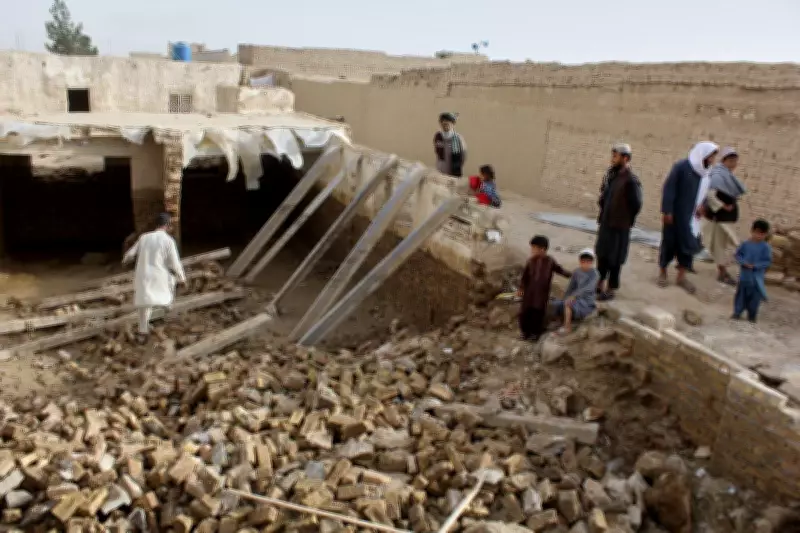
According to reports from The Associated Press, the extreme weather conditions struck Kandahar province with intense force, triggering flash floods and mudslides that overwhelmed communities. Local residents were seen inspecting the remains of damaged houses, with many structures partially or completely destroyed by the natural disasters. The combination of heavy rainfall and unstable terrain exacerbated the situation, leading to rapid-onset flooding that caught many off guard.
Impact on Local Communities
The fatalities are believed to include men, women, and children, though specific details on the victims have not yet been fully disclosed by Afghan authorities. In addition to the loss of life, numerous injuries have been reported, and many families have been displaced from their homes, seeking temporary shelter in safer areas. The provincial government has mobilized rescue teams and humanitarian aid to assist those affected, but access to some remote regions remains challenging due to damaged roads and ongoing adverse weather conditions.

Climate experts note that such extreme weather events are becoming more frequent in Afghanistan, a country already vulnerable to environmental stresses due to its arid climate and rugged topography. This incident underscores the growing risks posed by climate change, which can intensify rainfall patterns and increase the likelihood of landslides in mountainous areas.
Broader Context and Regional Concerns
Afghanistan has historically faced natural disasters, including droughts and earthquakes, but recent years have seen a rise in extreme weather incidents linked to global climate shifts. The Kandahar province, in particular, is prone to flash floods during the spring season when melting snow and seasonal rains combine. However, the severity of this event has raised alarms about the adequacy of disaster preparedness and infrastructure resilience in the region.
Local officials have urged residents in high-risk zones to evacuate to higher ground as forecasts predict continued unstable weather in the coming days. International aid organizations are monitoring the situation closely, with some already pledging support for recovery efforts. The Afghan government is expected to conduct a comprehensive assessment of the damage once conditions stabilize, which will help in planning long-term mitigation strategies.
Looking Ahead: Recovery and Prevention
In the aftermath of this tragedy, focus is shifting toward recovery and future prevention. Key steps include rebuilding damaged infrastructure, such as homes and roads, and implementing early warning systems to alert communities of impending severe weather. Additionally, there is a call for increased investment in climate adaptation measures, such as improved drainage systems and reforestation projects, to reduce the impact of similar events in the future.
The loss of 17 lives in Afghanistan serves as a stark reminder of the human cost of extreme weather and the urgent need for enhanced disaster management capabilities worldwide. As climate change continues to influence weather patterns, proactive measures and international cooperation will be crucial in safeguarding vulnerable populations from such devastating events.