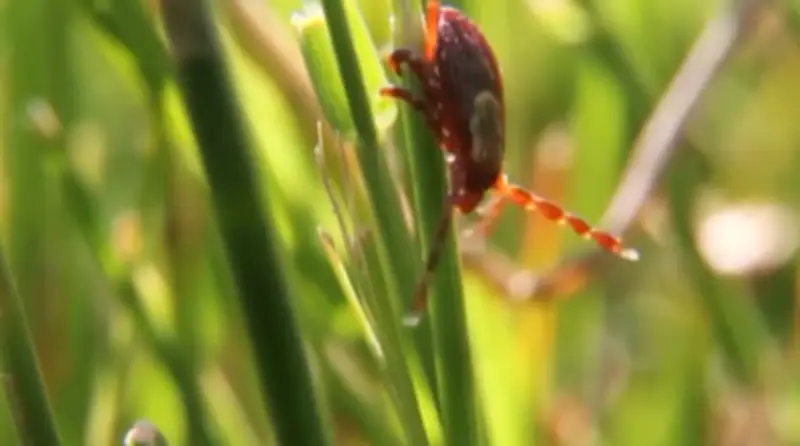
Saskatchewan is currently experiencing a particularly busy tick season, prompting researchers to monitor trends and provide guidance on how to stay safe. CTV’s Laura Woodward reports on the patterns scientists are observing and offers advice for protecting both people and pets from tick-borne illnesses.
Research Trends
Experts note that tick populations have increased due to warmer temperatures and extended seasons, leading to higher risks of diseases such as Lyme disease and anaplasmosis. Ongoing studies are tracking tick distribution and activity to better predict outbreaks.
Protection Tips
To reduce exposure, officials recommend wearing long sleeves and pants when outdoors, using insect repellents containing DEET or icaridin, and performing thorough tick checks after spending time in wooded or grassy areas. For pets, tick prevention products and regular grooming are essential.

What to Do If Bitten
If a tick is found, remove it carefully with tweezers, grasping close to the skin and pulling upward. Clean the bite area and monitor for symptoms like rash or fever. Consult a healthcare provider if concerns arise.