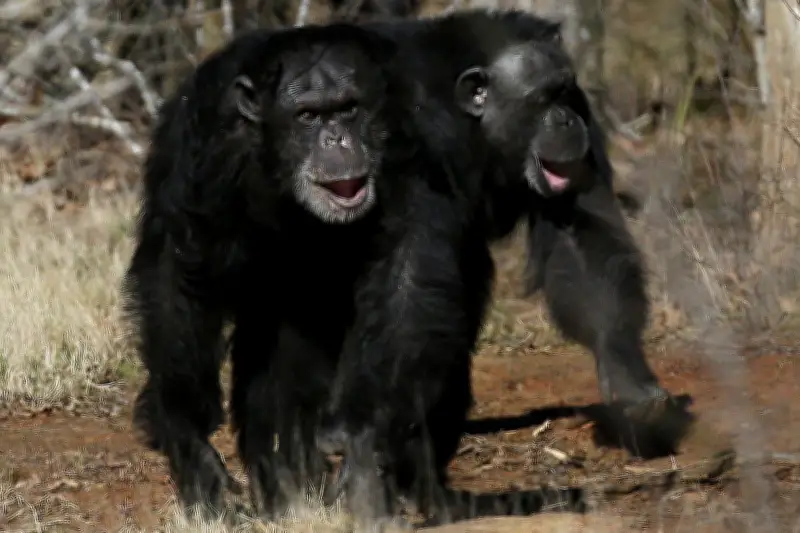
A new study has found that humans and great apes produce similar-sounding giggles, indicating that laughter may have evolved from a common ancestor. The research, published in the journal Bioacoustics, analyzed recordings of laughter from humans, chimpanzees, bonobos, gorillas, and orangutans.
Laughter Across Species
Scientists recorded the vocalizations of 22 great apes in zoos and sanctuaries, along with human laughter from 20 volunteers. Using acoustic analysis, they found that all species produce laughter with similar rhythmic patterns, including short, repeated sounds at regular intervals.
“The similarities are striking,” said lead author Dr. Marina Davila Ross, a psychologist at the University of Portsmouth. “Human laughter is not as unique as we once thought. The basic structure is shared with our closest relatives.”

Evolutionary Roots
The study suggests that laughter originated more than 10 million years ago in a common ancestor of humans and great apes. Laughter likely evolved from rhythmic breathing patterns during play, helping to signal friendly intentions and strengthen social bonds.
“Laughter is a fundamental part of human social interaction, but its evolutionary origins have been debated,” said co-author Dr. Katie Slocombe from the University of York. “Our findings support the idea that laughter has deep evolutionary roots.”
Implications for Understanding Emotion
The research could help scientists better understand the evolution of emotional expression. By comparing laughter across species, researchers hope to uncover how emotions like joy and playfulness evolved.
“This study highlights the continuity between human and animal emotions,” said Dr. Davila Ross. “It reminds us that we are part of the natural world, not separate from it.”