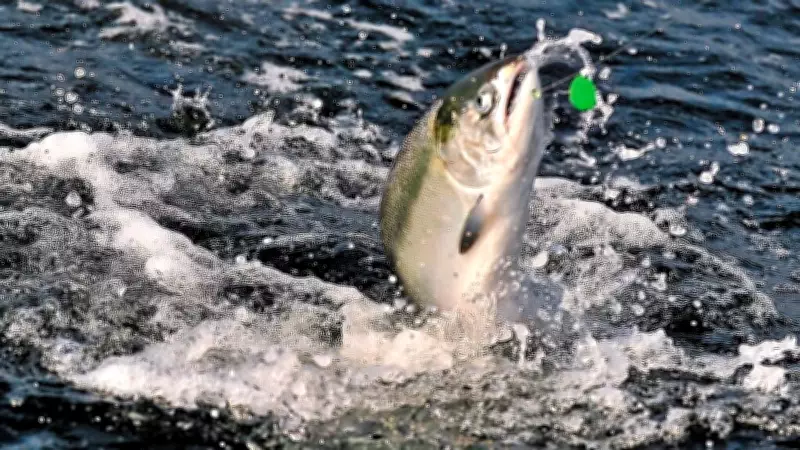
A recent study on chinook salmon in British Columbia's Salish Sea has uncovered notable shifts in their dietary patterns, raising concerns about the health of the marine ecosystem and the future of local fisheries. Researchers analyzed stomach contents of chinook salmon over several years and found a marked decrease in the consumption of traditional prey such as herring and an increase in alternative food sources like squid and gelatinous zooplankton.
Key Findings of the Study
The study, conducted by scientists from the University of British Columbia and the Department of Fisheries and Oceans, highlights how environmental changes and overfishing may be altering the food web. Chinook salmon are a keystone species in the Salish Sea, serving as a critical food source for endangered southern resident killer whales, seals, and seabirds. The dietary shift could have cascading effects on the entire ecosystem.
Implications for Conservation
Lead author Dr. Megan Yamoah emphasized the importance of understanding these changes to inform conservation strategies. "Chinook salmon are adapting to a changing environment, but this adaptation may come at a cost to their health and reproductive success," she said. The study also noted that smaller chinook salmon were more likely to consume less nutritious prey, potentially impacting their growth and survival rates.

Impact on Fisheries
Local fishermen have reported changes in salmon behavior and catch rates, which align with the study's findings. The shift in diet may affect the timing and location of salmon runs, challenging traditional fishing practices. Fisheries managers are now considering updated regulations to protect salmon populations and ensure sustainable harvests.
Broader Environmental Context
The Salish Sea has experienced warming waters, acidification, and habitat degradation in recent decades. These factors are likely driving the changes in prey availability. The study calls for comprehensive monitoring of the marine ecosystem and collaborative efforts among governments, Indigenous communities, and stakeholders to address the underlying causes.
This research underscores the interconnectedness of marine life and the urgent need for proactive measures to preserve the Salish Sea's biodiversity. As chinook salmon navigate these dietary shifts, their resilience will be tested in an era of rapid environmental change.