Scientists have discovered 1,121 previously unknown marine species in a single year, accelerating the pace of species identification by 54%. This landmark achievement comes from the Nippon Foundation-Nekton Ocean Census, the world's largest mission to document ocean life.
Extraordinary Discoveries from Extreme Environments
The findings include a new species of deep-sea ghost shark, a symbiotic bristle worm living within a glass sponge, and numerous corals, crabs, shrimps, sea urchins, and anemones. These species were found at depths reaching 6,575 meters in some of Earth's most remote and unexplored ocean regions.
The Ghost Shark Chimaera
One of the most notable discoveries is the ghost shark Chimaera sp. 1, found in the Coral Sea Marine Park off Australia at depths of 802–838 meters. Chimaeras are distant relatives of sharks and rays, having diverged nearly 400 million years ago. Taxonomist Dr. William White identified this species during a CSIRO expedition.

Life in a Glass Castle
Another remarkable find is the symbiotic worm Dalhousiella yabukii, discovered on a volcanic seamount in Japan's Shichiyo Seamount Chain at 791 meters depth. This polychaete worm lives inside the intricate chambers of a glass sponge, whose skeleton is made of crystalline silica. The species was named after mission principal investigator Dr. Akinori Yabuki.
Accelerating Scientific Discovery
The Ocean Census program conducted 13 expeditions and 9 species discovery workshops in its third year, partnering with JAMSTEC, CSIRO, and the Schmidt Ocean Institute. With up to 90% of ocean species still undiscovered, this initiative aims to break the bottleneck in species documentation.
Dr. Michelle Taylor, Head of Science at Ocean Census, stated: 'With many species at risk of disappearing before they are even documented, we are in a race against time. By accelerating discovery and sharing data globally, we generate evidence needed for science and policy.'
A Decade-Long Study Pays Off
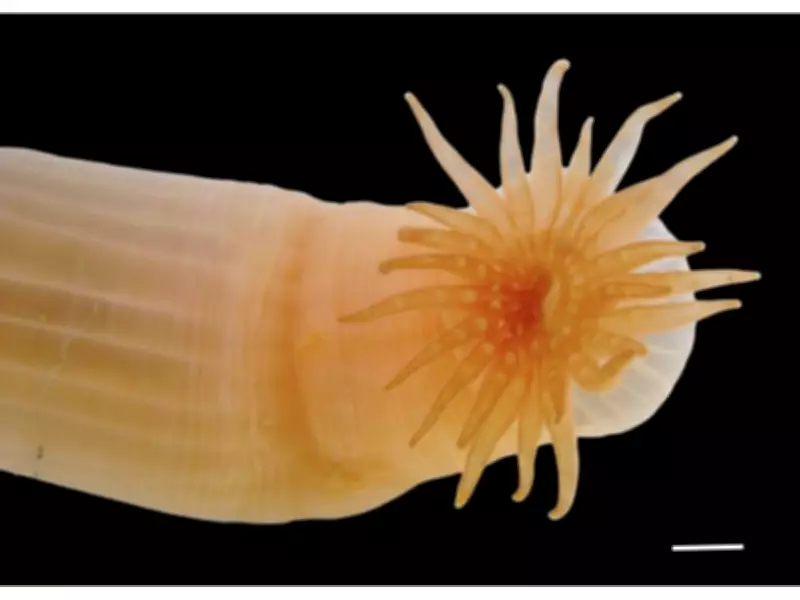
One species, a burrowing anemone from the rare genus Harenactis, was originally collected in 2010 from Argentina's San Julián Peninsula. Taxonomist Dr. Agustín Garese studied it for years, revealing its solitary life buried in fine sediment in intertidal zones. The team now plans to return for molecular studies to fully define this unique cnidarian.
Implications for Ocean Protection
The discoveries highlight the immense biodiversity yet to be documented and underscore the need for scientific data to inform marine policy. With a third of sharks, rays, and chimaeras vulnerable to extinction, such findings are critical for conservation efforts.