Telus is moving forward with plans to build artificial intelligence data centres in Vancouver, a project that appears modest when compared to the massive AI infrastructure in the United States that consumes enough electricity to power entire cities. However, the initiative has sparked debate over its environmental footprint and role in the global AI landscape.
Project Overview
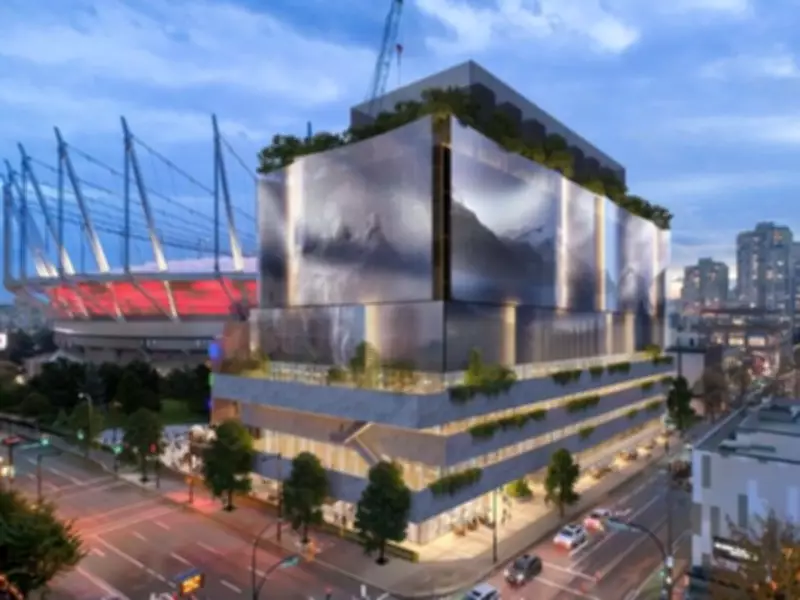
The centres, part of Telus' $1 billion AI Factory project, include a facility under construction in Mount Pleasant, a planned downtown tower, and an existing data centre in Kamloops. Together, they aim to provide sovereign, Canadian-owned computing power for the burgeoning AI industry. The first centre, named M3, is a 100,000-square-foot facility in the former Hootsuite headquarters, set to open at the end of 2026. It will house 13,000 graphics processing units (GPUs) requiring up to 26 megawatts of electricity. The second centre, a 400,000-square-foot, 10-storey tower at 150 West Georgia Street, is expected to come online in 2029, hosting up to 50,000 GPUs and consuming up to 100 megawatts. Combined with the Kamloops site, the three facilities are projected to use 151 megawatts by 2032, enough to power approximately 80,000 homes.
Sustainability Concerns
The project has drawn criticism from environmental groups. On May 23, a protest led by the group No AI Data Centres in Vancouver drew around 750 demonstrators, who chanted “Use Your Brain” to express frustration over AI's negative implications, including energy consumption and threats to jobs and creative industries. Westbank, the developer building the facilities for Telus, has pledged that the centres will “set a new standard” for sustainability, though specific measures have not been detailed.

Purpose and Target Users
Telus states that the data centre cluster will “ensure B.C.’s businesses, startups and research institutions are first in line for the most advanced AI capabilities available.” The federal government has pledged support as part of Canada's sovereign AI strategy. Local experts, however, do not expect these centres to serve industry giants like Microsoft or OpenAI. Rob Goehring, executive director of the AI Network of B.C., noted that such companies require computing power at a scale beyond what these facilities will provide. Instead, the centres are expected to cater to government-regulated industries, Canadian organizations with sensitive data, and small to medium-sized businesses. British Columbia is recognized as Canada's third largest AI hub, with over 500 companies.