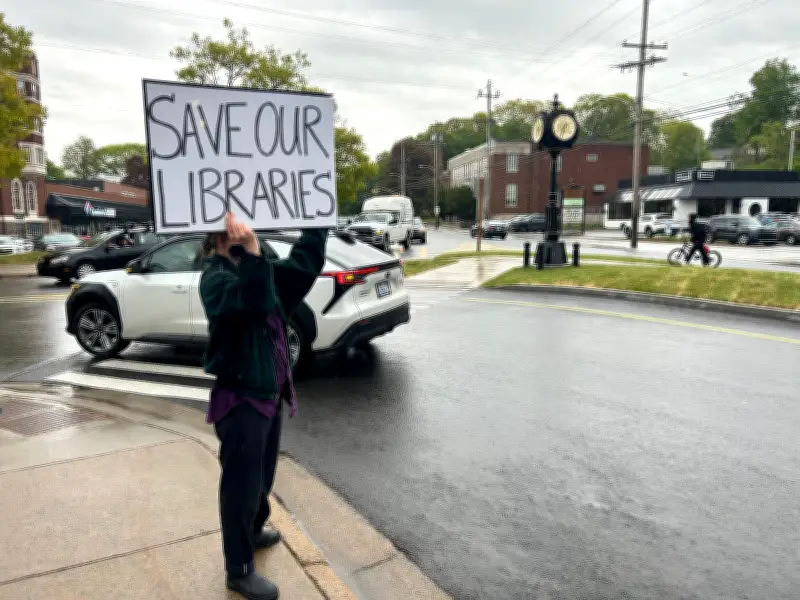
Rural Nova Scotia is grappling with a wave of library closures that are fundamentally reshaping access to information and community services. In Kentville, protesters gathered outside a soon-to-be-shuttered branch, holding signs that read "save our libraries." The closures, driven by budget cuts and shifting priorities, have left many residents without local access to books, internet, and educational programs.
Impact on Communities
The loss of libraries hits rural areas particularly hard, where these institutions often serve as the only public space for learning and connectivity. Residents rely on libraries for job searches, homework help, and social interaction, said a local advocate. Without them, many fear increased isolation and reduced opportunities.
Protest and Advocacy
In Kentville, demonstrators voiced their anger and sadness. "This is more than just books; it's about our community's heart," one protester explained. Advocacy groups are calling on the provincial government to reconsider the cuts and explore alternative funding models to keep libraries open.

Broader Implications
The closures are part of a larger trend affecting rural libraries across Canada. As municipalities face financial pressures, library services are often among the first to be cut. This trend raises questions about equity and access in the digital age, where internet connectivity is increasingly essential for daily life.
Some communities are exploring volunteer-run libraries or mobile services, but these solutions are often temporary and underfunded. The future of rural library access remains uncertain as residents continue to fight for their local institutions.