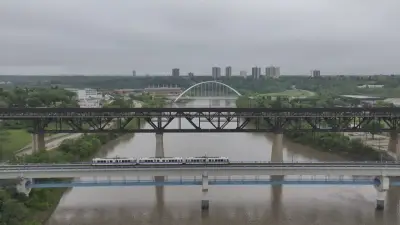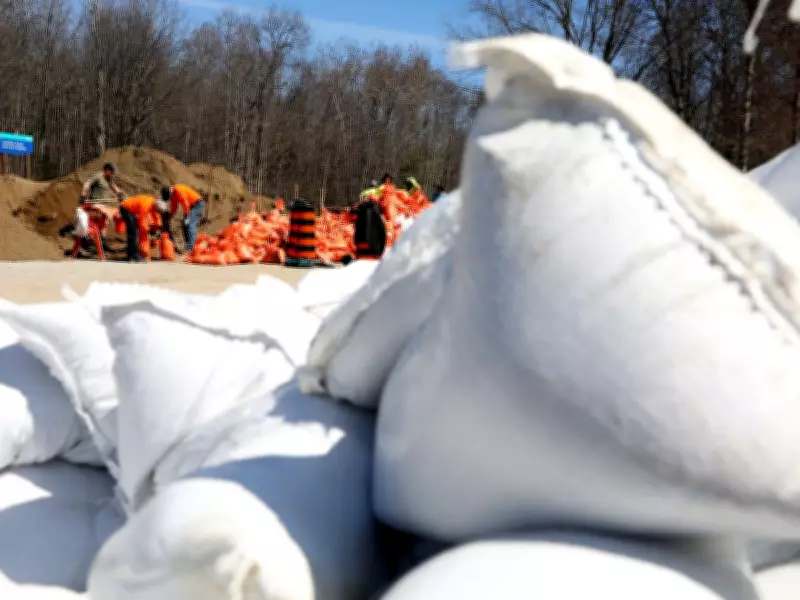
Even as flood waters recede in Constance Bay, local officials stress the need for long-term strategies to mitigate the risk and cost of flooding. Clarke Kelly, city councillor for West Carleton ward since 2022, has already managed three flood responses. On April 21, the Ottawa River reached its highest level for that date, surpassing records from 2017, 2019, and 2023, leaving residents uneasy.
Municipal Challenges and Policy Options
Floods ignore jurisdictional boundaries, but municipalities face significant costs, from infrastructure repairs to compensation and insurance. The Association of Municipalities of Ontario's 2020 report "Come Hell or High Water" highlights that nature is overwhelming current management capabilities. One key strategy is hazard avoidance policies, using building permits and zoning to restrict development on floodplains. Mayor Mark Sutcliffe, surveying damage on April 23, emphasized the need to avoid building in flood-prone areas, though existing homes remain vulnerable due to climate change.
Building Back Better
The "build back better" principle aims to reduce future costs. In Constance Bay, many homes have been upgraded with flood-proofing measures like walls, raised foundations, and additional pumps. Kelly noted that the number of homes requiring assistance has decreased each year as residents take protective steps. Some used Disaster Recovery for Ontarians funding after 2023 floods to make these improvements.

However, challenges persist. Property owners often receive insufficient funding for comprehensive measures, and some cannot obtain insurance, leaving them trapped in unsellable, flood-prone properties. Despite these hurdles, proactive mitigation remains essential as climate change intensifies flooding events.