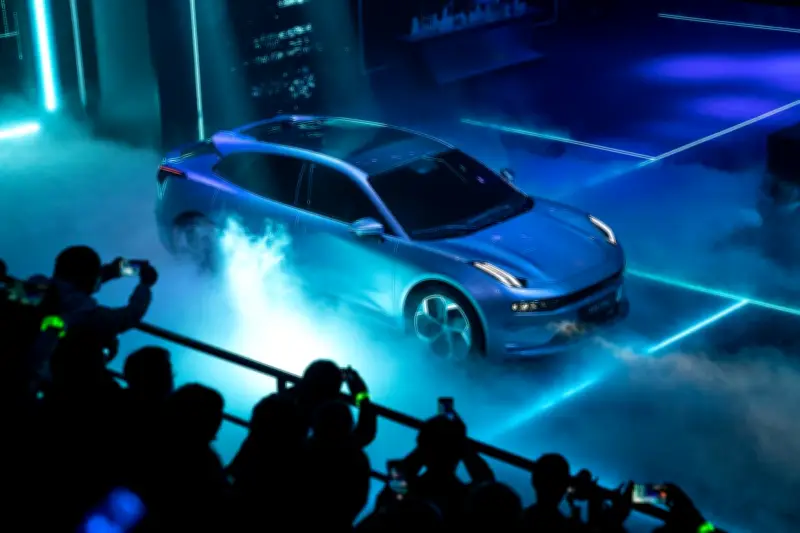
The first Chinese electric vehicles (EVs) have landed in Canada, but consumers face a steep price tag due to newly imposed tariffs and logistical expenses. The initial shipment, consisting of Geely Automobile Holdings Ltd.'s Lynk & Co. Zero Concept models, arrived at the Port of Vancouver earlier this week. However, the vehicles are priced significantly higher than anticipated, with some models exceeding C$70,000.
Tariffs Drive Up Costs
Canada recently introduced a 100% tariff on Chinese-made EVs, matching similar measures by the United States and the European Union. This tariff, combined with shipping and handling fees, has nearly doubled the cost of the vehicles. According to industry analysts, the base model of the Lynk & Co. Zero Concept, originally expected to retail for around C$40,000, now costs over C$75,000 after taxes and fees.
"The tariffs are a significant barrier to entry for Chinese EVs in Canada," said Sarah Thompson, an automotive analyst at AutoForecast Solutions. "While the technology is competitive, the pricing puts them in luxury territory, limiting their appeal to mainstream buyers."

Impact on Canadian EV Market
The arrival of Chinese EVs was expected to increase competition and lower prices in Canada's growing electric vehicle market. However, the high costs may dampen consumer interest. Currently, the average price of an EV in Canada is around C$55,000, with government incentives reducing the burden for buyers. The new Chinese models, despite their advanced features, may struggle to find a foothold.
"We were hoping for more affordable options, but these prices are a disappointment," said Mark Johnson, a Vancouver resident considering an EV purchase. "I'll stick with a Tesla or a Chevrolet Bolt for now."
Geely's Response
Geely has not commented on the pricing specifically, but a company spokesperson noted that they are committed to the Canadian market and are exploring ways to reduce costs. "We believe in the quality and innovation of our vehicles," the spokesperson said. "We are working with local partners to optimize our supply chain and potentially absorb some of the tariff impact."
The first shipment includes only 200 vehicles, but Geely plans to expand its presence if demand materializes. However, with prices this high, analysts are skeptical about rapid adoption.
Broader Implications
The situation highlights the challenges of global trade tensions in the EV sector. Canada's tariff aims to protect domestic manufacturers and align with allies, but it also limits consumer choice and could slow the transition to electric mobility. Environmental groups have criticized the tariff, arguing it undermines climate goals by making EVs less accessible.
"If we want to reduce emissions, we need affordable EVs for everyone," said Rachel Green, a climate policy researcher at the University of British Columbia. "Tariffs that inflate prices are counterproductive."
As the first Chinese EVs hit Canadian roads, the market will watch closely to see if consumers are willing to pay a premium for new technology or if demand fizzles under the weight of high costs.