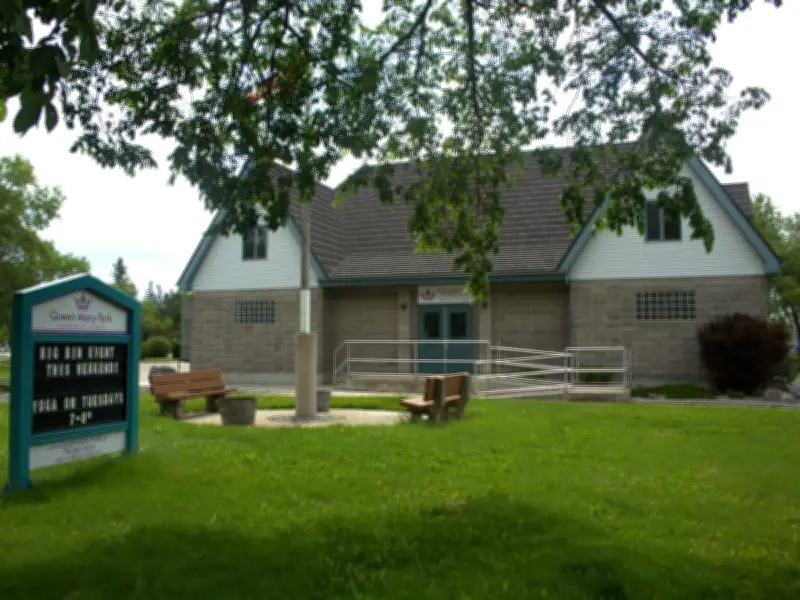
Edmonton community league buildings require more than $100 million in repairs, with a minimum of $18.6 million needed urgently to prevent potentially life-threatening infrastructure failures, according to a report presented to city council on Wednesday.
Council Debates Funding Proposal
Council voted 8-5 to bring a proposal to the next four-year budget deliberations to fund infrastructure upgrades at community league facilities identified in the report. If approved, the city would provide $1 million per year to the Edmonton Community League Foundation, which can use the funds to leverage federal grants to address the problem over the coming years.
Decades of Underfunding
The last increase in funding for community leagues occurred in 2012. The city currently allocates $2.8 million annually to the community league infrastructure program and $4.5 million for the operating grant. Foundation executive director Laura Cunningham-Shpeley noted that the fund was created in response to building condition assessments but has not kept pace with rising costs.

“What we can build today with $2.8 million is very different than what we could build 15 years ago,” she said. “Many of our amenities were built before the community-led construction process began and were built using volunteer labour.”
Widespread Deficiencies
Administration reported that 47 community league buildings are in poor or very poor condition, representing more than one-third of all such buildings. The survey identified numerous potentially life-threatening deficiencies:
- 59 buildings with electrical and wiring issues
- Lack of proper backflow prevention systems for sewage
- Inadequate exit and emergency lighting
- Missing handrails for people with mobility issues
- Unsecured exterior doors
- Fire code violations including faulty alarm and suppression systems, improper interior doors, at-risk kitchens, and structural problems such as insufficient gypsum between floors and walls
Economy of Scale Approach
Foundation infrastructure adviser Shaun Good proposed using an economy of scale to address major problems city-wide within four years through 11 targeted programs. The plan involves presenting one comprehensive project proposal, hiring a professional project manager, engaging one to three contractors, purchasing materials in bulk, and coordinating volunteer efforts during site visits.
“Not only are we reducing the administrative burden for volunteers, but we’re improving the quality and uniformity of the work,” Good said.
The funding proposal will be debated during council's upcoming four-year budget deliberations.