The Canadian government has released a discussion paper proposing changes to accelerate approval of major industrial projects, with a controversial provision to override section 73(3)(c) of the Species at Risk Act (SARA), known as the 'jeopardy clause.' This clause currently prohibits federal authorization of activities that could jeopardize the survival or recovery of endangered species.
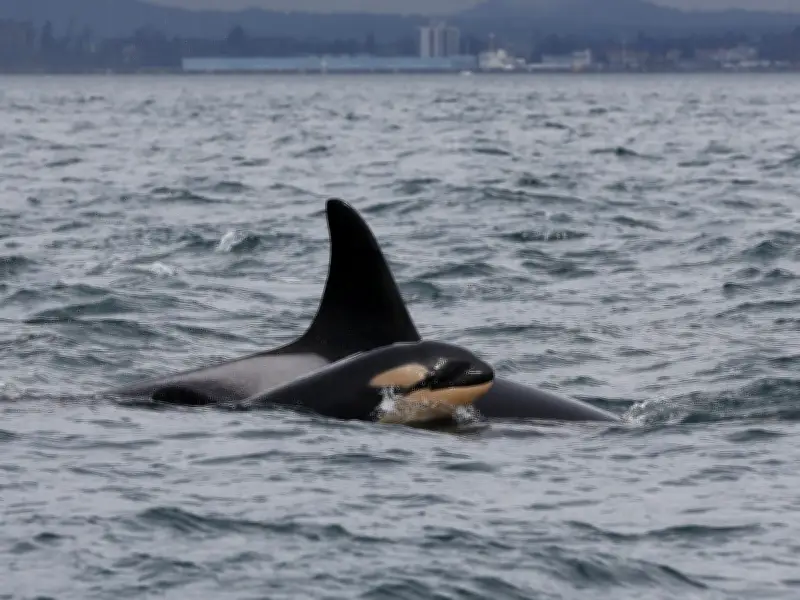
Environmental experts warn that weakening this protection would have severe consequences for the Southern Resident killer whale population, which numbers only 74 individuals. These whales, inhabiting British Columbia's coastal waters, have failed to recover despite existing measures, according to scientists from the Raincoast Conservation Foundation.
Imminent Threat Assessment
In 2024, the federal government acknowledged the dire situation in an imminent threat assessment, concluding that without reduced threats, the whales' survival and recovery may become unlikely or impossible. Their recovery depends on abundant Chinook salmon, quieter waters, and a cleaner marine environment.

Increasing Threats
Despite this, threats are escalating. Clear Seas, an independent information source, projects a 60% increase in vessel traffic on Canada's Pacific coast over the next 15 years, primarily from tankers and container ships in the Salish Sea. The Trans-Mountain Pipeline expansion has already increased underwater noise, interfering with the whales' ability to detect and capture prey.
Section 73(3)(c) is a crucial legal safeguard that requires federal decision-makers to consider the impact on endangered species. Weakening it would remove this protection when it is most needed, potentially pushing species like the Southern Resident killer whale closer to extinction.
Economic vs. Environmental Concerns
Proponents argue that streamlining approvals will strengthen Canada's economy and sovereignty. However, critics contend that lowering standards may erode public confidence, intensify opposition, and increase legal uncertainty. The debate reflects a broader question about Canada's identity and values.
Misty MacDuffee, a salmon biologist, Lance Barrett-Lennard, a killer whale scientist, and Chris Genovali, Executive Director of Raincoast Conservation Foundation, emphasize that economic development should not come at the expense of protecting endangered wildlife. They urge Canadians to recognize that a strong economy and a healthy environment are not mutually exclusive.