Calgary has never been a city that got stronger by pretending risks were smaller than they are. We build for winter. We build for floods. We build for growth, drought, hail, wildfire smoke, aging infrastructure and the uncomfortable reality that tomorrow's city will face harder tests than yesterday's.
Council Votes to End Climate Emergency Declaration
City council has now voted to end Calgary's climate emergency declaration. Some will see that as a political win. Others will see it as a step backward. But whatever one thinks of the wording, the practical challenge before us has not changed.
The climate emergency declaration may be gone. The work is not.

Why the Work Continues
A declaration can signal priorities, organize reporting and make climate risks harder to ignore. But it was never the thing that made those risks real. Ending it does not make summers cooler, hailstorms cheaper, wildfire smoke less harmful, infrastructure less vulnerable or growth easier to manage.
The real test now is whether council can move beyond the politics of the label and show that it is serious about the work.
Scrutiny of Public Spending
Scrutiny of public spending is fair. Every department and business unit should be able to explain what it is doing, what outcomes it is achieving and how it serves Calgarians. But serious oversight asks whether public dollars reduce risk, save money over time and build a stronger city. Grandstanding points at the word 'climate' and treats it as suspect.
The City of Calgary's climate strategy is not an abstract ideological project. Its goals are practical — reduce emissions and make Calgary more resilient to hazards such as hailstorms, extreme heat and rising average temperatures. That is basic municipal risk management.
Learning from the 2013 Flood
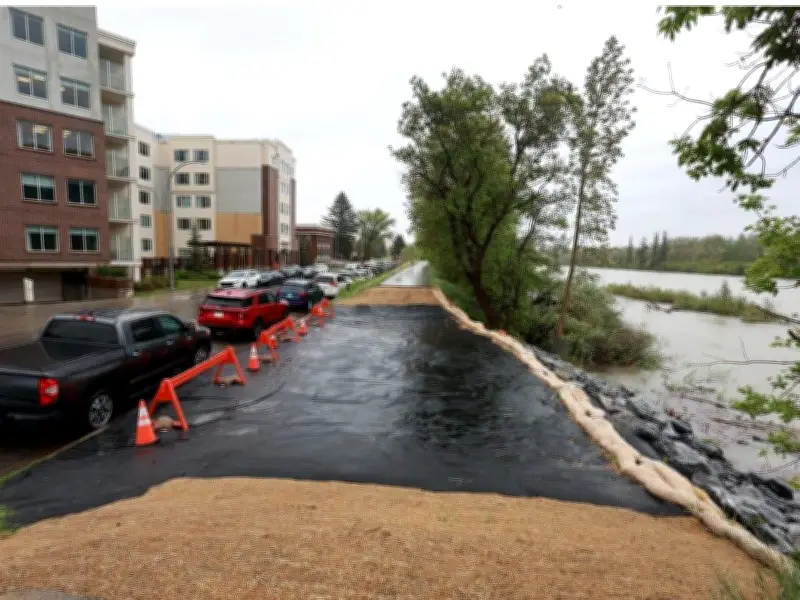
It is no different, in principle, from maintaining pipes, roads, bridges and emergency systems before they fail. Calgary already understands this logic. The 2013 flood caused extensive financial losses and property damage in Calgary and the region. The lesson is not that Calgary failed to plan. The lesson is that when major risks become impossible to ignore, we are capable of responding seriously. Since then, Calgary and its partners have invested in flood mitigation, emergency preparedness and infrastructure that reduces the likelihood that future extreme events become future disasters.
That same principle applies to heat, smoke, drought, storms, flooding and energy use. Spend thoughtfully now so we are not forced to spend desperately later.
Climate Funding and Core Services
This is why the debate over 'climate-related funding' can be misleading. Much of it is not money pulled away from core services. It is money the city would already need to spend on buses, roads, buildings, electrical systems, water infrastructure, parks and public facilities. The real question is whether we spend those dollars with future risks in mind.