A 77-year-old British Columbia senior who fled a fast-moving wildfire returned to find his home of more than 40 years reduced to charred rubble, describing the experience as harrowing and surreal.
Escape from the Flames
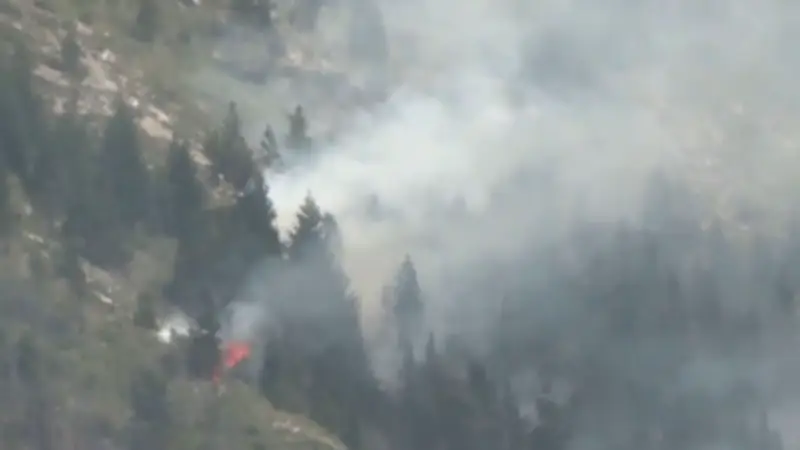
The man, whose name has not been disclosed, said he had only minutes to evacuate as the fire swept through his rural property. “It’s its own monster,” he told reporters. “I grabbed my dog and a few photos, and that was it.” The wildfire, which ignited on June 22, 2026, spread rapidly due to dry conditions and strong winds, forcing dozens of residents to flee.
Return to Devastation
When the man returned the following day, he found nothing but ashes and twisted metal where his house once stood. “Everything I built over 40 years is gone,” he said. “You don’t think it will happen to you, but it does.” Local officials confirmed that at least 15 structures were destroyed in the blaze, which has burned over 2,000 hectares.

Broader Wildfire Crisis
The fire is one of several burning across British Columbia amid a record-breaking heatwave. Emergency Management BC reported that over 300 wildfires are currently active in the province, with more than 100 considered out of control. The province has declared a state of emergency and deployed additional firefighting resources.
Community and Government Response
“Our hearts go out to everyone affected by this devastating fire,” said Premier David Eby in a statement. “We are providing support for evacuees and working tirelessly to contain the flames.” The Canadian Red Cross has opened reception centers for displaced residents, and donations are being accepted for relief efforts.
Impact on Seniors
The senior’s story highlights the particular vulnerability of elderly residents during natural disasters. “Many seniors in rural areas live alone and may not have transportation or resources to evacuate quickly,” said Dr. Emily Chen, a disaster preparedness expert at the University of British Columbia. “It’s crucial that communities have plans to support them.” The man is now staying with family and plans to rebuild, though he acknowledges the emotional toll. “You can’t replace memories,” he said. “But I’m alive, and that’s what matters.”