British Columbia's northern tanker ban will remain intact as part of an agreement with the federal government, Premier David Eby confirmed on Thursday. The policy, which prohibits large oil tankers from navigating the waters off B.C.'s northern coast, has been a longstanding environmental commitment for the province.
Key Announcement at Vancouver Event
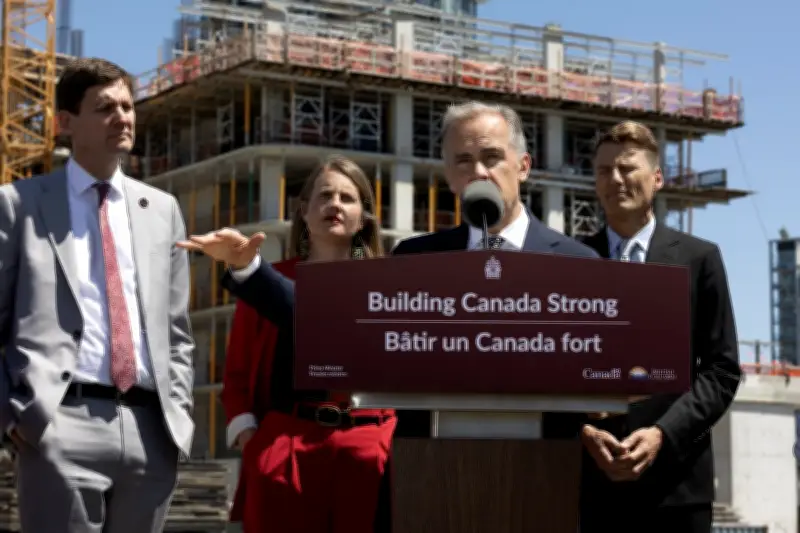
Eby made the statement alongside federal Housing Minister Gregor Robertson and provincial Housing Minister Christine Boyle, as Prime Minister Mark Carney announced housing initiatives at a construction site in Vancouver. The premier emphasized that the tanker ban is a non-negotiable component of the partnership with Ottawa.
“The northern tanker ban is a critical measure to protect our coastline and marine ecosystems,” Eby said. “We have ensured it remains a firm part of our agreement with the federal government.”

Background and Significance
The ban, originally introduced in 2015, applies to the Great Bear Rainforest and Hecate Strait, areas known for rich biodiversity and Indigenous cultural significance. It has faced opposition from some industry groups but enjoys broad public support in British Columbia.
The announcement comes as part of broader discussions between the province and federal government on resource development and environmental protection. Eby noted that the deal also includes commitments to clean energy projects and Indigenous consultation.
Impact on Industry and Environment
Environmental groups praised the decision, calling it a victory for marine conservation. “This ban is essential for preventing oil spills in one of the world's most pristine marine regions,” said a spokesperson for the Pacific Wild Alliance.
Industry representatives expressed disappointment but acknowledged the political reality. “We respect the provincial decision but remain concerned about economic opportunities,” said a spokesperson for the Canadian Association of Petroleum Producers.
The agreement ensures that the ban will remain in effect for the duration of the current federal-provincial partnership, with no scheduled expiration date.