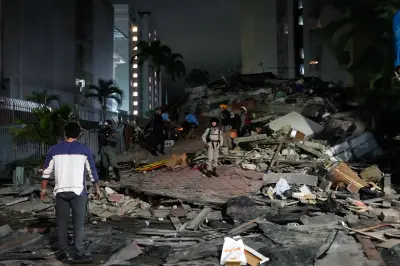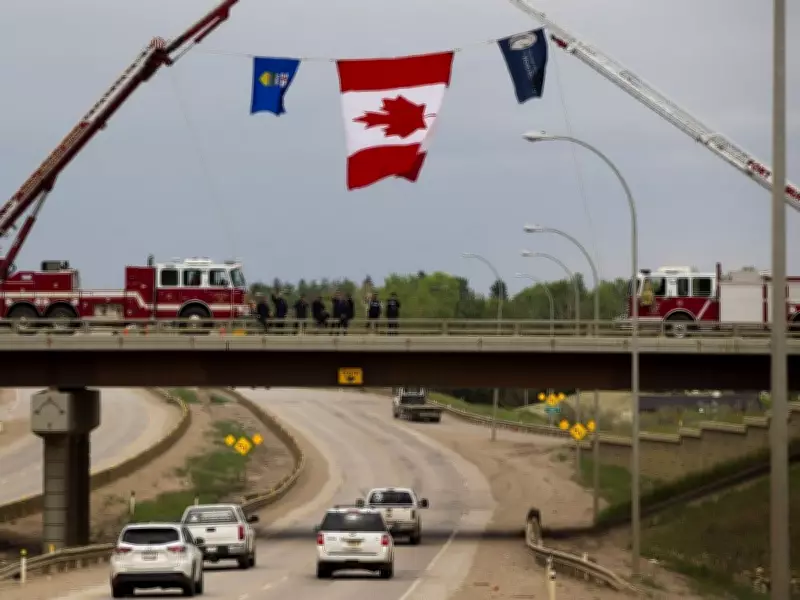
A decade ago, an uncontrolled wildfire swept through Fort McMurray in northeastern Alberta. As flames reached the town, over 80,000 residents fled in a terrifying evacuation—the largest in Canadian history. Despite firefighters' bravery, 2,400 structures were destroyed, entire neighborhoods turned to ash, and insured damages reached billions. The community was forever altered, with many survivors developing post-traumatic stress disorder.
Lessons from the Ashes
Reflecting on this devastating event, we must ask what has been learned since the Fort McMurray wildfire. What steps are needed to prevent another large-scale disaster? Over the past two decades, Canada's wildfire season has started earlier, lasted longer, and produced fires increasingly difficult to contain. The statistics paint a grim picture.
According to the Canadian Interagency Forest Fire Centre, more than 46 million hectares burned between 2016 and 2025—an 81% increase over the previous decade. Catastrophe Indices and Quantification Inc. reports that from 2016 to 2025, Canada experienced 16 wildfires exceeding $30 million in insured damage, classified as catastrophic events. This marks a 700% increase compared to just two such fires in the prior decade.

Soaring Costs and Frequency
Insured damage from wildfires has surged over 1,000%. Between 2016 and 2025, insurers processed over $8.1 billion in claims for wildfire support and rebuilding, versus only $734 million in the previous decade. The scale and size of wildfires across Canada have grown dramatically.
- In 2021, fire destroyed the entire community of Lytton, British Columbia.
- In 2023, wildfires caused significant damage in Tantallon, Nova Scotia, and the Okanagan and Shuswap regions of British Columbia.
- In 2024, an uncontrolled wildfire in Jasper National Park destroyed a third of the buildings in Jasper.
- In 2025, wildfires ravaged multiple smaller communities in Manitoba, Saskatchewan, and Newfoundland and Labrador.
Each event forced thousands to flee for their lives, with prolonged recovery and rebuilding displacing many from their homes for extended periods.
The Path Forward
It is too early to predict if 2026 will bring increased wildfire risk, but the undeniable data demands more action to prepare, mitigate, and prevent widespread losses. The Province of Alberta has taken steps, including the recent release of the Wildfire Mitigation Strategy, which outlines a clear path to enhancing resilience. However, governments at all levels must intensify efforts to protect communities and reduce the growing threat of catastrophic wildfires.