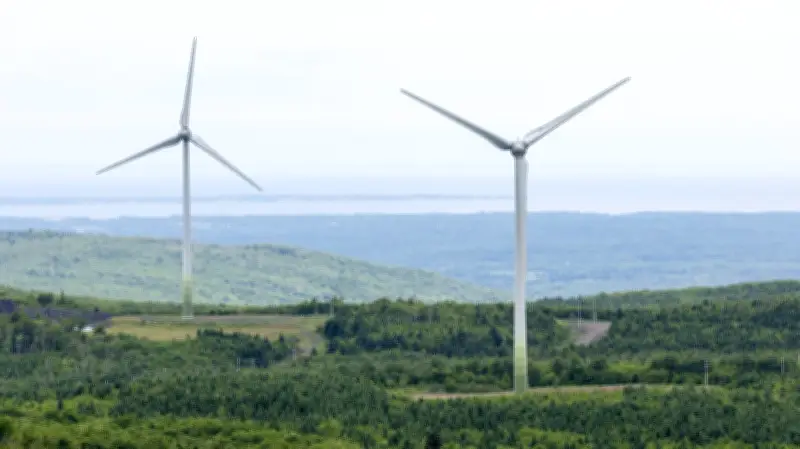
The provincial government of Nova Scotia has granted environmental approval to a 158-turbine wind energy project, a significant milestone for the region's renewable energy sector. The project, which will be located in the province, is expected to contribute substantially to Nova Scotia's clean energy targets.
Project Details and Location
The wind farm will consist of 158 turbines spread across a designated area. While the exact location was not specified in the announcement, the project is part of a broader strategy to increase renewable energy capacity in the province. The approval follows a thorough environmental assessment process, including public consultations and studies on potential impacts.
Environmental Assessment and Conditions
According to the Province of Nova Scotia, the environmental assessment concluded that the project can proceed with specific conditions to mitigate any adverse effects. These conditions include measures to protect wildlife, manage noise, and ensure proper decommissioning at the end of the project's life. The government emphasized that the approval is contingent on compliance with all regulatory requirements.

Impact on Renewable Energy Goals
Nova Scotia has set ambitious targets to reduce greenhouse gas emissions and transition to renewable energy. This wind project is expected to generate enough electricity to power tens of thousands of homes, reducing reliance on fossil fuels. The province aims to achieve 80% renewable electricity by 2030, and projects like this are crucial to meeting that goal.
Economic Benefits and Job Creation
The project is anticipated to create numerous jobs during construction and operation, boosting the local economy. It will also provide lease payments to landowners and contribute to community funds. The developer has committed to using local suppliers and workforce where possible.
Next Steps
With environmental approval secured, the developer can now proceed to secure other permits and begin construction. The timeline for completion was not announced, but such projects typically take several years to become operational. The approval marks a key step forward for Nova Scotia's energy transition.