Internal Documents Suggest Transport Canada Anticipated EV Rebate Shortfall Months Before Public Announcement
Newly revealed internal documents indicate that Transport Canada had advanced knowledge of the impending exhaustion of funds for its electric vehicle (EV) rebate program, potentially months before the information was shared with the Canadian public. This revelation raises significant concerns regarding governmental transparency and communication practices surrounding critical environmental incentives.
Timeline of Awareness Versus Public Disclosure
The documents, obtained through access to information requests, suggest that departmental officials were tracking the rapid uptake of the rebate program and its financial trajectory as early as the fall of 2025. This internal monitoring reportedly provided clear projections that the allocated budget for the incentives would be depleted by early 2026. However, a formal public announcement regarding the program's funding status was not made until late February 2026, creating a substantial gap between internal awareness and public knowledge.
This delay has prompted criticism from industry stakeholders and environmental advocates. "Consumers and dealerships were making financial decisions based on the expectation that rebates would be available," commented an automotive industry representative. "Advanced warning would have allowed for better planning and mitigated market disruption."

Impact on Consumer Confidence and EV Adoption
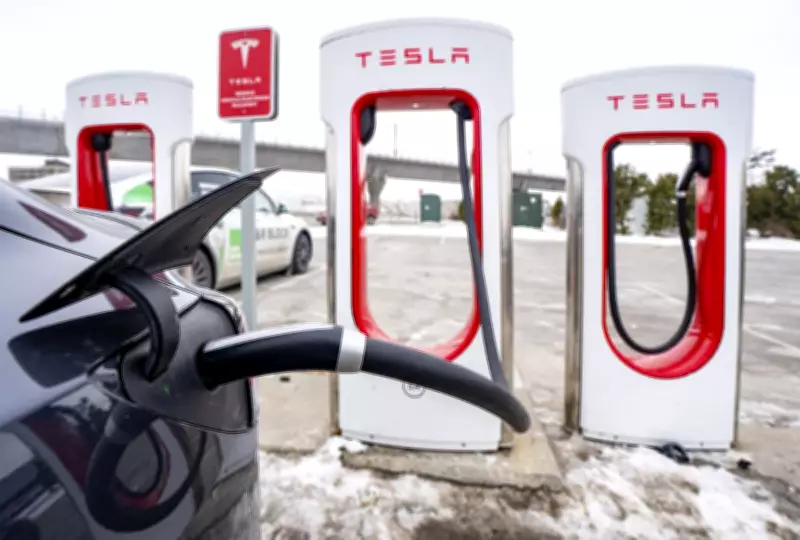
The federal EV rebate program has been a cornerstone policy aimed at accelerating the transition to zero-emission transportation in Canada. By offering point-of-sale incentives, it has successfully reduced the upfront cost barrier for many consumers considering an electric vehicle. The sudden depletion of funds, without prior public indication, risks undermining consumer confidence in government-supported green initiatives.
Potential EV buyers who were in the process of selecting a vehicle may have been caught off guard, facing unexpected costs. This scenario could temporarily slow adoption rates, contrary to the program's long-term environmental and economic objectives. The documents do not clarify why the public notification was delayed, leaving questions about internal decision-making processes unanswered.
Calls for Improved Transparency and Forward Planning
The situation has sparked calls for more transparent and proactive communication from federal departments managing similar time-limited or fund-capped programs. Policy experts suggest that establishing clear, public thresholds for fund depletion and providing regular updates could prevent such scenarios. "Transparency builds trust in public policy," noted a policy analyst specializing in environmental economics. "When citizens understand how programs are functioning and when limits are approaching, they can make more informed choices."
Furthermore, the incident highlights the challenges of managing high-demand incentive programs. It underscores the need for robust forecasting and contingency planning to ensure that policy goals are met without last-minute surprises for the public. As Canada continues to pursue ambitious climate targets, the effective administration of such incentives remains critical.
The revelation from these documents adds a new dimension to the ongoing public discourse about government accountability and the management of programs designed to foster a greener economy. It remains to be seen whether procedural changes will be implemented to enhance transparency for future initiatives.